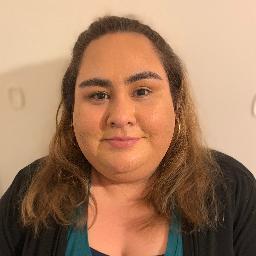
- LMFT in California
- Bilingual English Spanish
- LGBTQIA+ affirmative
About Yolanda
Yolanda began her career in community mental health in East Los Angeles. She spent early years helping people from underserved neighborhoods access care. That work shaped her interest in practical, everyday tools for coping with stress, anxiety, depression, and trauma.
Her approach centers on building understanding and connection. She uses attachment-based ideas to look at how relationships shape feelings and behavior. She also uses client-centered methods to keep sessions focused on each person's priorities and sense of control.
Cognitive Behavioral Therapy techniques are part of her toolkit when clients want concrete strategies for changing unhelpful thoughts and behaviors. Mindfulness and motivational interviewing also appear in sessions to support coping, commitment to change, and emotion regulation.
Yolanda has worked with a wide range of concerns, including relationship struggles, grief, self-esteem, ADHD, and compassion fatigue. She also helps people facing family-of-origin issues, blended family stress, and chronic illness challenges. She aims to make therapy feel understandable and useful from the first visit.
Areas of expertise
Primary focus
Also works with
Additional focus areas
Therapeutic approaches
Experience
5+ years
Credentials
California
Languages
English, Spanish
How her approaches translate to online work
Attachment-Based Therapy looks at how early relationships affect current reactions and patterns. Online sessions can help identify recurring relationship themes and practice new ways of relating. Client-Centered Therapy focuses on listening and building the client's own goals. In an online setting this means the therapist follows the client's pace and priorities while offering reflection and support.Choosing the right approach is a collaborative process. The therapist will talk with the client about goals, preferences, and what feels most helpful. Together they adjust methods over time so sessions stay practical and relevant.
If you are considering remote work, confirm the session options before booking. The therapist's profile lists languages and practice region but does not specify formats here, so check current session formats when you schedule. Online therapy can make it easier to fit sessions into a busy life, reduce travel time, and allow shorter check-ins when needed. It also lets people continue work with the same clinician across moves or when life circumstances change.
Frequently asked questions
What kinds of concerns does Yolanda help with?
She works with stress, anxiety, depression, trauma and abuse, relationship and family problems, grief, anger, self-esteem, bipolar concerns, ADHD, and related issues such as abandonment and attachment problems.
What is her therapy style like?
Sessions emphasize understanding relationships and personal goals. She blends attachment-based, client-centered, and cognitive-behavioral ideas and uses mindfulness and motivational interviewing as needed.
What is her professional background?
She has five years of clinical experience and began work in community mental health serving underserved neighborhoods in East Los Angeles.
What credentials and location apply to her practice?
She is a Licensed Marriage and Family Therapist (LMFT) practicing in California.
Which languages are supported for sessions?
Sessions are offered in English and Spanish.
Can people outside the U.S. work with her?
She accepts international clients; confirm any regional or licensing considerations when scheduling.
How does payment and cost work?
Cost varies with location and therapist availability, and sessions use a subscription that can be canceled at any time.
How do I begin therapy with her?
Use the Start Therapy button, complete the short matching questionnaire, and schedule according to the therapist's availability.
Before you get in touch
Therapists listed here offer talking therapy online. A profile is not a diagnosis of you or of anyone in your life, and no therapist can promise how a relationship will turn out.
If you are in danger, or someone is hurting or threatening you, contact emergency services or a domestic-abuse helpline. The numbers are at the foot of this page.