- Client-centered care
- CBT and mindfulness
- Trauma-informed help
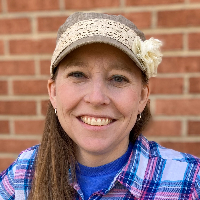
About Wendy
Wendy earned a master’s degree in Counseling and Human Development from Radford University and holds bachelor degrees in Communications and Psychology from Virginia Tech. She has been licensed as an LPC in Virginia since 2014 and brings about 15 years of professional experience.
Her background includes work in public and higher education, at a private agency, and in a religious setting. That range has informed a flexible, down-to-earth approach she uses with adults and with children when appropriate.
In sessions she blends client-centered listening with practical methods drawn from cognitive behavioral therapy and solution-focused therapy. She also incorporates mindfulness practices and trauma-focused techniques when they fit the situation. The focus is on clear goals, workable strategies, and skill-building people can use in daily life.
Wendy’s usual process starts with learning what a person wants to achieve and then tailoring techniques to meet those goals. She emphasizes concrete coping skills, better communication patterns, and steps to increase personal satisfaction. This approach is geared toward people who want both understanding and practical change.
Areas of expertise
Primary focus
Also works with
Additional focus areas
Therapeutic approaches
Experience
15+ years
Credentials
Virginia, Oregon
Languages
English
How Wendy’s approaches translate to online work
Wendy uses client-centered listening and cognitive behavioral techniques to help people notice patterns, set goals, and try concrete changes. Client-centered therapy means she focuses on understanding a person’s experience and priorities before offering direction, which suits emotional concerns like grief, low self-esteem, and relationship stress.Cognitive behavioral therapy (CBT) involves identifying unhelpful thoughts and testing new behaviors. CBT is useful for anxiety, depression, and many everyday problems because it gives clear exercises and steps people can practice between sessions.
Finding the right approach is part of the process. Wendy works with each person to pick methods that match their needs and goals, and she adjusts the plan as progress is made. This is a collaborative decision made together during early sessions.
Specific session formats are not listed here, so confirm current options before booking. Online therapy can make attending sessions easier to fit into work and family schedules, reduce travel time, and allow shorter check-ins when needed. Many people find that using structured exercises from CBT or brief solution-focused steps works well with remote sessions and helps carry progress into daily life.
Frequently asked questions
What kinds of problems does Wendy address?
She supports people dealing with stress, anxiety, depression, trauma and abuse, grief, relationship and family concerns, self-esteem issues, life transitions, ADHD, and related areas such as narcissism and attachment difficulties.
What is her therapeutic style like?
Wendy combines listening and collaboration with practical tools. Sessions focus on setting goals, developing coping skills, and trying techniques that fit each person’s needs.
How long has she been practicing?
She has about 15 years of professional experience and has held a Virginia LPC credential since 2014.
Where is she located and licensed?
Wendy is licensed as a Licensed Professional Counselor in Virginia and practices from that state.
Which languages are supported for sessions?
Sessions are offered in English.
Can international clients work with her?
International clients are not currently accepted.
How does payment and cost work?
Cost varies with location and therapist availability, and sessions use a subscription that can be canceled at any time.
What should I do to begin therapy?
Use the Start Therapy button, complete a short matching questionnaire, and schedule according to therapist availability.
Before you get in touch
Therapists listed here offer talking therapy online. A profile is not a diagnosis of you or of anyone in your life, and no therapist can promise how a relationship will turn out.
If you are in danger, or someone is hurting or threatening you, contact emergency services or a domestic-abuse helpline. The numbers are at the foot of this page.