- Attachment-focused
- Practical workplace help
- Explores meaning
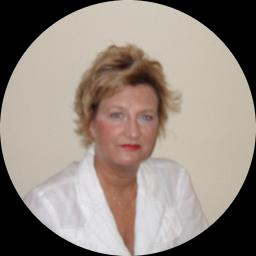
About Wanda
She holds a doctorate in psychology from Saybrook University and a master’s degree in counseling from Villanova University. Her work also reflects study of Jungian ideas and Eastern and Western philosophies, which she uses to help people explore meaning, faith, and purpose. Wanda has published two books on the transcendent aspects of the psyche and the Higher Self.
Before clinical practice, she spent over 15 years in human resources management. That workplace background informs practical strategies for coping with work stress and career challenges. She helps clients translate insight into everyday actions that reduce conflict and improve functioning on the job.
Her approach treats childhood wounds, attachment patterns, and life-stage challenges as important clues to current difficulties. Sessions focus on client goals and on removing obstacles that get in the way of those goals. Wanda aims to create a nonjudgmental space where people can be heard and better understand their internal experience.
She offers individual therapy for adult men and women and uses her knowledge of relational and emotional differences to guide conversations about intimacy and communication. Prospective clients should confirm current session options before booking.
Areas of expertise
Primary focus
Also works with
Additional focus areas
Therapeutic approaches
Experience
18+ years
Credentials
Tennessee
Languages
English
How her approaches translate to online work
Attachment-Based Therapy focuses on how early bonds shape current relationships. It helps people understand patterns of closeness and distance and can be useful for relationship and intimacy concerns. Client-Centered Therapy centers the client's experience and values active listening and empathy to help people clarify goals and feel understood.Finding the right approach is part of therapy. The therapist will work together with the client to decide which methods fit their goals, symptoms, and personal preferences. That collaborative process may blend attachment insights, psychodynamic reflection, and solution-focused steps to match what the client needs.
Confirm current session options before booking, as formats are not specified in the biography. Online therapy can make it easier to fit sessions into a busy schedule and maintain continuity when life is unpredictable. It can also allow for shorter check-ins, avoid travel time, and let people join from a location with fewer distractions. Licensed professionals tailor session length and pacing to what helps the client make progress while balancing everyday demands.
Frequently asked questions
What concerns does this therapist commonly address?
She works with stress, anxiety, depression, trauma and abuse, grief, relationship and intimacy-related issues, ADHD, bipolar mood concerns, and topics such as narcissism and attachment difficulties.
What is her general therapeutic style?
Her style is client-centered with psychodynamic and attachment-based elements. Sessions focus on understanding patterns from early life and translating insight into practical steps.
How much clinical experience does she have?
She has 18 years of experience in mental health and has worked across clinical and organizational settings during that time.
What are her credentials and where does she practice?
She holds the credential LPC-MHSP and practices in Tennessee.
Which languages are offered for sessions?
Sessions are offered in English.
Does she work with international clients?
She does not accept international clients at this time.
How are costs and billing handled?
Cost varies with location and therapist availability; sessions use a subscription that can be canceled at any time.
How do I begin working with her?
Begin by selecting the Start Therapy button, completing a short matching questionnaire, and scheduling according to the therapist's availability.
Before you get in touch
Therapists listed here offer talking therapy online. A profile is not a diagnosis of you or of anyone in your life, and no therapist can promise how a relationship will turn out.
If you are in danger, or someone is hurting or threatening you, contact emergency services or a domestic-abuse helpline. The numbers are at the foot of this page.