- Strengths focused
- Practical steps
- Collaborative approach
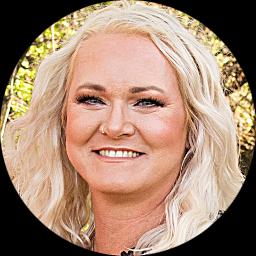
About Tonya
She believes clients are the experts on their own stories and that change grows from small, steady steps. In sessions she listens and helps people identify what is getting in the way of feeling stable and confident. She breaks larger problems into manageable goals so progress is clear and trackable.
Tonya addresses a range of concerns including panic attacks, mood disorders, attachment and abandonment issues, and the impacts of past abuse. She also supports people dealing with body image, sexual concerns, guilt and shame, and questions about life purpose or midlife transitions. Narcissism is listed among her focus areas when that issue affects a person’s relationships or wellbeing.
Her style is straightforward and collaborative. Tonya helps clients build skills for coping, improve communication, and strengthen self-worth. She uses evidence-based therapeutic techniques to guide sessions and adapts interventions to each person’s needs.
To begin, clients complete a brief matching questionnaire and then schedule sessions according to the therapist’s availability. Sessions use a subscription that can be canceled at any time, and fees vary with location and the therapist’s schedule.
Areas of expertise
Primary focus
Additional focus areas
Experience
8+ years
Credentials
Utah, Kansas
Languages
English
Therapeutic approaches and how online sessions can help
Tonya uses evidence-based therapeutic techniques that focus on practical coping skills and improving day-to-day functioning. One common approach emphasizes skill building for anxiety and panic - teaching breathing and grounding tools, breaking worry into manageable steps, and practicing small exposure to feared situations to reduce avoidance. Another approach centers on processing trauma and loss through paced, supportive conversations that help people make sense of difficult events and reduce their hold on daily life.Choosing the right approach is a collaborative process. The therapist will work with each person to match methods to their goals, needs, and comfort level. Together they try different strategies and adjust what isn’t helping until the best fit emerges.
For online work, confirm the specific session formats before booking since the biography does not list them. Online sessions can make it easier to fit care into a busy week, reduce travel time, and allow check-ins from different locations. Some formats require less bandwidth and can be shorter for quick progress checks, while others allow longer conversation-focused sessions. Talk with the therapist to choose session rhythms and lengths that fit everyday life and treatment goals.
Frequently asked questions
What kinds of problems does Tonya help with?
She helps people facing stress, anxiety, depression, trauma and grief. Her work also covers self-esteem, panic attacks, attachment issues, and related concerns.
How would you describe her therapy style?
Her approach is collaborative and practical. She listens for strengths, sets manageable goals, and focuses on skills that make daily life easier.
How much clinical experience does she have?
She has eight years of professional work experience supporting people with mood, trauma, and anxiety-related concerns.
What credentials and location apply to this therapist?
She holds the credentials LCPC and LCMHC and is licensed in Utah.
In which languages can I work with her?
Sessions are offered in English only. International clients are not currently accepted.
What session formats does she offer?
The original biography does not list specific session formats. Please confirm current session options before booking.
How are sessions priced?
Cost varies with location and the therapist's schedule. Sessions use a subscription model that can be canceled at any time.
How do I get started with therapy?
Select the Start Therapy button, complete a short matching questionnaire, and schedule sessions according to the therapist's availability.
Before you get in touch
Therapists listed here offer talking therapy online. A profile is not a diagnosis of you or of anyone in your life, and no therapist can promise how a relationship will turn out.
If you are in danger, or someone is hurting or threatening you, contact emergency services or a domestic-abuse helpline. The numbers are at the foot of this page.