- Practical skill building
- Trauma-aware care
- Encouraging support
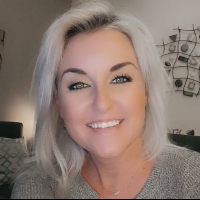
About Tiffany
She trained in a Master of Clinical and Mental Health Counseling at Lubbock Christian University and has about three years of clinical experience. Early in her career she worked with foster care and CPS-involved youth at Texas Boys Ranch and received training in trauma-focused cognitive behavioral work. More recently she has worked in substance abuse settings, supporting people with co-occurring mental health and severe addiction concerns.
Tiffany uses a mixture of practical methods rather than a single fixed model. She draws on Cognitive Behavioral Therapy (CBT), Dialectical Behavior Therapy (DBT), Acceptance and Commitment Therapy (ACT), Attachment-Based work, and client-centered approaches. She also incorporates motivational interviewing, solution-focused and reality-based techniques, and psychoeducation to help people learn skills and make changes.
Her approach is straightforward and encouraging. She explores how thoughts, emotions, body, and spirit connect and helps clients find meaning and personal insight. Sessions focus on skill building, clearer communication, and steps people can try between meetings.
She describes herself as honest and motivating, pushing clients gently out of their comfort zone to discover strengths and support lasting growth.
Areas of expertise
Primary focus
Also works with
Additional focus areas
Therapeutic approaches
Experience
3+ years
Credentials
Texas
Languages
English
How her approaches translate to online therapy
Acceptance and Commitment Therapy (ACT) focuses on helping people notice difficult thoughts and feelings without getting stuck in them, then act on personal values. It can help with anxiety, depression, and motivation problems. Cognitive Behavioral Therapy (CBT) looks at links between thoughts, feelings, and behavior and teaches concrete skills to change unhelpful patterns; it is often useful for anxiety, mood, and coping with life changes. Attachment-Based Therapy examines relationship patterns and how early bonds affect current relationships, which can help with intimacy, codependency, and attachment concerns.Finding the right approach is part of the work. The therapist collaborates with each person to choose which methods to try based on their goals, history, and what feels helpful. That selection can be adjusted as therapy progresses to match changing needs.
The biography does not list specific online session formats, so confirm the exact options before booking. In general, online therapy can make it easier to fit sessions into a busy week, allow shorter check-ins when needed, and reduce travel time. Licensed professionals can use the approaches above in remote sessions to teach skills, practice communication, and guide coping strategies in ways that fit a client's daily life.
Frequently asked questions
What concerns does Tiffany address?
She helps people with stress, anxiety, addictions, trauma, relationship and intimacy issues, grief, parenting challenges, eating and sleeping problems, ADHD, bipolar disorder, depression, and related concerns.
What is her therapeutic style?
Her style is practical and encouraging, focused on skill building, clear communication, and exploring how thoughts and emotions affect behavior.
What kind of background does she have?
She earned a Master of Clinical and Mental Health Counseling and has about three years of clinical experience, including work with foster care youth and substance abuse treatment.
What credentials and location are listed?
She is a Licensed Professional Counselor (LPC) practicing in Texas.
Which languages are supported and are international clients accepted?
Sessions are offered in English and international clients are not currently accepted.
What session formats are available?
The original biography does not specify session formats; please confirm current session options before booking.
How are sessions priced?
Cost varies with location and therapist availability, and sessions use a subscription that can be canceled at any time.
How do I begin working with her?
Choose the Start Therapy button, complete a short matching questionnaire, and schedule according to the therapist's availability.
Before you get in touch
Therapists listed here offer talking therapy online. A profile is not a diagnosis of you or of anyone in your life, and no therapist can promise how a relationship will turn out.
If you are in danger, or someone is hurting or threatening you, contact emergency services or a domestic-abuse helpline. The numbers are at the foot of this page.