- Client-centered approach
- CBT and DBT skills
- Experience with addictions
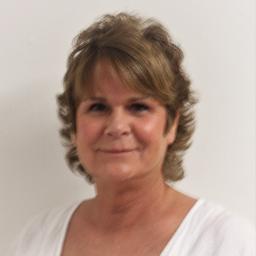
About Suzanne
She draws on work across inpatient drug and alcohol treatment, sexual abuse counseling, and community mental health. That background informs how she approaches complex situations like co-occurring concerns, chronic illness, caregiver strain, and relationship problems. Suzanne uses clear methods rather than jargon so people know what to expect.
In sessions she keeps the tone compassionate and interactive. She helps people set goals, try new behaviors, and notice what changes are helping. Suzanne uses Client-Centered Therapy to follow the person’s priorities and build trust in the room.
She also uses Cognitive Behavioral Therapy to identify unhelpful thoughts and behaviors, and Dialectical Behavior Therapy skills for managing strong emotions. Motivational Interviewing is used when someone is deciding whether to change a habit or an addiction. Mindfulness techniques are offered to reduce stress and improve focus.
People who come to Suzanne often want straightforward strategies, coping skills, and a steady partner during hard transitions. She invites questions and works collaboratively to find what fits each person’s life. To begin, clients complete a short matching questionnaire and schedule sessions based on therapist availability.
Areas of expertise
Primary focus
Additional focus areas
Therapeutic approaches
Experience
22+ years
Credentials
Illinois
Languages
English
How these approaches can work online
Client-Centered Therapy focuses on the person’s goals and priorities. The therapist follows the client’s lead, listens carefully, and helps clarify what matters most. This approach helps when someone needs a nonjudgmental space to sort out problems and decide on next steps.Cognitive Behavioral Therapy (CBT) looks at links between thoughts, feelings, and actions. In short, it helps people notice unhelpful thinking patterns and try small behavioral experiments to feel better. CBT can be useful for anxiety, depression, and habit changes such as addictions.
Dialectical Behavior Therapy (DBT) offers skills for managing intense emotions and improving distress tolerance. People learn strategies for emotion regulation, interpersonal effectiveness, and grounding. These skills are often helpful when stress or strong feelings get in the way of day-to-day functioning.
Choosing the right approach is part of therapy. Suzanne will work together with each person to match methods to their needs, goals, and preferences. That shared decision making helps create a plan that feels realistic and useful.
Confirm the available session formats before booking, since specific online options are not listed in the biography. Online work can make it easier to fit sessions into a busy life, shorten check-ins when needed, or avoid travel time. Licensed professionals can adapt CBT, DBT, and client-centered methods to work over remote sessions and support steady progress.
Frequently asked questions
What concerns does she commonly address?
Suzanne supports people facing stress, anxiety, addictions, trauma and abuse, grief, and depression, along with related issues like attachment problems, body image, and caregiver stress.
How would you describe her way of working?
Her style is genuine, compassionate, and interactive. Sessions focus on practical steps, skill building, and collaborative problem solving.
What kind of experience does she bring?
She has 22 years of experience and has worked in inpatient drug and alcohol treatment, sexual abuse counseling, and community mental health settings.
What are her credentials and where is she located?
She holds the LCPC credential and practices in Illinois.
Which languages are supported?
Sessions are offered in English and international clients are not currently accepted.
What session formats are available?
Please confirm current session options before booking, as formats are not specified in the biography.
How does cost work?
Cost varies with location and therapist availability; sessions use a subscription that can be canceled at any time.
How do I begin working with her?
Select the Start Therapy button, complete a short matching questionnaire, and schedule according to therapist availability.
Before you get in touch
Therapists listed here offer talking therapy online. A profile is not a diagnosis of you or of anyone in your life, and no therapist can promise how a relationship will turn out.
If you are in danger, or someone is hurting or threatening you, contact emergency services or a domestic-abuse helpline. The numbers are at the foot of this page.