- Warm practical care
- Attachment focused
- Emotion regulation skills
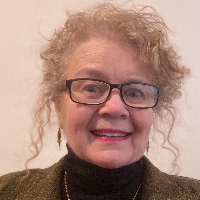
About Sara
Sara uses a mix of talking and experiential work to help people make changes that matter. She draws on attachment-based ideas to look at relationship patterns. She also uses client-centered methods to keep sessions focused on each person's goals. Dialectical Behavior Therapy skills are introduced when managing strong emotions feels hard.
Her background includes a Master of Social Work and long experience in community mental health, adolescent services, addiction settings, and private practice since the early 1990s. She has worked with people facing chronic pain, grief, blended family stress, caregiving burdens, and recovery from abuse and addiction. This broad work informs how she tailors sessions to each person's needs.
Sara describes her style as warm, interactive, and engaging. She emphasizes building a trusting relationship first, then teaching specific tools for coping, communication, and emotional regulation. She often blends somatic approaches, EMDR work, and family systems thinking when it fits the client's goals.
People who choose her often want steady support through life changes, help repairing important relationships, and practical skills to reduce anxiety and improve sleep. She encourages open conversation about goals and progress so each person knows what to expect.
Areas of expertise
Primary focus
Also works with
Additional focus areas
Therapeutic approaches
Experience
26+ years
Credentials
Tennessee
Languages
English
How therapeutic approaches translate to online care
Sara uses attachment-based work to help people notice and change relationship patterns. This approach looks at how early connections shape current reactions and helps people form more secure ways of relating to others.She also uses client-centered therapy, which means sessions focus on each person's priorities and pace. That approach helps people clarify goals and feel heard while exploring practical steps forward. When overwhelming emotions interfere with daily life, Dialectical Behavior Therapy (DBT) skills may be added to teach distress tolerance, emotion regulation, and clearer communication.
Finding the best approach is part of the process. The therapist will collaborate with each person to choose methods that match their needs, goals, and preferences. This may mean mixing approaches over time and adjusting based on what is helpful.
Confirm current session options before booking since formats are not specified here. Online therapy can make it easier to fit sessions into a busy week, shorten travel time, and allow for brief check-ins when a full session feels difficult. It can also let people practice skills in real life between meetings and bring specific relationship challenges into discussion without rearranging a full schedule.
Frequently asked questions
What kinds of problems does she help with?
Sara works with many issues including stress, anxiety, trauma and abuse, relationship difficulties, depression, self-esteem concerns, addictions, grief, parenting strain, and intimacy-related problems.
What is her therapy style like?
Her approach is warm and interactive. She blends attachment-based ideas, client-centered listening, and practical skills training so sessions aim to meet immediate needs while building longer-term change.
How much clinical experience does she have?
She has 26 years of clinical experience working in community mental health, adolescent and addiction settings, and private practice since the early 1990s.
Where is she licensed and practicing?
She is a licensed clinical social worker (LCSW) in Tennessee and practices in that state.
What languages are supported for sessions?
Sessions are offered in English.
Can people outside the United States work with her?
She does not accept international clients at this time.
How do fees and payment work?
Fees vary with location and therapist availability; sessions use a subscription model that can be canceled at any time.
How do I begin working with her?
Start by selecting the Start Therapy button, complete the short matching questionnaire, and then schedule according to therapist availability.
Before you get in touch
Therapists listed here offer talking therapy online. A profile is not a diagnosis of you or of anyone in your life, and no therapist can promise how a relationship will turn out.
If you are in danger, or someone is hurting or threatening you, contact emergency services or a domestic-abuse helpline. The numbers are at the foot of this page.