- Practical tools
- Strength focused
- Goal directed
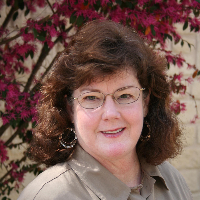
About Robyn
Robyn offers goal-directed work for mood concerns, anxiety, stress, and trauma. She also supports people dealing with low self-esteem, unhealthy thinking, and self-defeating behaviors. Common themes she addresses include relationship strain, parenting challenges, grief, and issues around intimacy and body image.
Her style blends patience, directness, and compassion. She emphasizes strength-focused work so clients can draw on their own abilities to solve problems. Sessions often focus on small steps, pacing, and clear accountability to make progress feel manageable.
Robyn uses practical techniques to build new habits and perspectives. She helps clients set incremental goals and practices to sustain change. Whether the goal is improving sleep, coping with career stress, or managing anger, she aims for straightforward plans clients can follow between sessions.
With long experience in private practice, Robyn brings a history of working with a wide variety of concerns. She invites people who are ready to try new tools and do steady work toward clearer goals. If someone wants direction, motivation, and tangible skills, she offers guidance to begin the next chapter.
Areas of expertise
Also works with
Additional focus areas
Therapeutic approaches
Experience
30+ years
Credentials
Texas, Arkansas
Languages
English
Therapeutic approaches and how they fit online
Acceptance and Commitment Therapy (ACT) helps people clarify what matters to them and take steps toward those values, even when uncomfortable thoughts or feelings are present. It can be useful for anxiety, depression, and making behavioral changes. Cognitive Behavioral Therapy (CBT) focuses on identifying patterns of thinking and behavior that keep problems going and practicing new ways of responding, which is helpful for mood, sleep, and stress. Client-Centered Therapy emphasizes listening, empathy, and meeting people where they are to build motivation and self-awareness.Finding the right approach is part of the work. Robyn will collaborate with each person to decide which methods fit their goals and preferences. That process includes checking what’s been tried before, which strategies felt most useful, and what realistic steps feel doable now.
The biography does not list specific online session formats, so confirm current options before booking. In general, online therapy can make it easier to fit sessions into busy schedules, reduce travel time, and allow shorter check-ins when needed. It also lets people practice tools between sessions in their everyday life and bring real situations into therapy conversations.
Frequently asked questions
What issues does Robyn commonly help with?
She works with stress, anxiety, depression, trauma and related concerns like low self-esteem, grief, parenting strain, eating and sleeping problems.
What is her therapeutic style like?
Her style is patient and direct, focusing on strengths and practical tools. Sessions emphasize pacing, small steps, and clear goals.
What kind of experience does she bring?
Robyn has 30 years of clinical experience and has maintained a long private practice where she has worked with a wide range of concerns.
Where is she based and what credential does she hold?
She practices in Arkansas and holds the Licensed Clinical Social Worker credential, listed as LCSW in Texas and Arkansas.
Which language is used in sessions or for international clients?
Sessions are offered in English and she accepts international clients.
What session formats are available?
The biography does not specify session formats. Please confirm current session options before booking.
How are fees handled?
Cost varies with location and therapist availability; sessions use a subscription that can be canceled at any time.
How do I begin working with her?
Select the Start Therapy button, complete the short matching questionnaire, and schedule according to therapist availability.
Before you get in touch
Therapists listed here offer talking therapy online. A profile is not a diagnosis of you or of anyone in your life, and no therapist can promise how a relationship will turn out.
If you are in danger, or someone is hurting or threatening you, contact emergency services or a domestic-abuse helpline. The numbers are at the foot of this page.