- Person centred
- Practical steps
- Compassionate listening
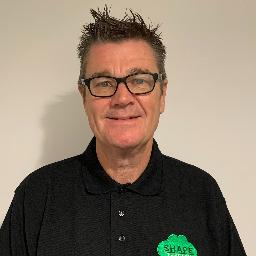
About Robert
He trained as a Qualified Person Centred Counsellor and holds BACP membership. Robert also brings experience with cognitive behavioural therapy and motivational interviewing from voluntary work with Tayside Council on Alcohol. He draws on those approaches when they suit a person’s needs.
Sessions focus on understanding emotions and what drives behaviour. Robert keeps the room down to earth and non-judgemental so people can be honest about setbacks and progress. He aims to hear what matters most and to help people find small, practical steps forward.
Robert speaks from personal experience of depression and addiction and says that seeking help changed his life. That background informs his compassionate style and his focus on realistic, manageable goals.
He works with practical issues such as sleep, eating, parenting and career worries, and with deeper themes like attachment, abandonment and life purpose. People can expect a collaborative pace, with methods chosen for each concern rather than a single fixed approach.
Areas of expertise
Primary focus
Also works with
Additional focus areas
Therapeutic approaches
Experience
5+ years
Credentials
BACP · United Kingdom
Languages
English
How Robert’s approaches work online
Client-Centred Therapy focuses on being heard and understood. The counsellor listens without judging and supports the client to find their own answers; this helps with low mood, self-esteem and relationship worries.Cognitive Behavioural Therapy (CBT) looks at thoughts, feelings and actions and teaches practical tools to change unhelpful patterns. It is often used for anxiety, depression and coping with life changes.
Motivational Interviewing helps people who feel stuck or ambivalent about change. It uses guided conversation to identify personal reasons to move forward, which can be useful for addiction and lifestyle shifts.
Finding the right approach is part of the work. Robert will discuss what fits your goals and try different ways of working if needed. He will collaborate with you to agree on aims and small steps that feel manageable.
The biography does not list which online formats are offered, so confirm available session types before booking. Online work can make scheduling easier, reduce travel time and allow shorter check-ins when life is busy. It also lets people use approaches like CBT worksheets or reflective conversation from wherever fits their routine.
Frequently asked questions
What concerns does Robert address?
He supports people with stress, anxiety, depression, addictions and relationship issues. He also works on trauma, grief, self-esteem and a wide range of life challenges listed in his specialties.
What is his therapeutic style?
Robert takes a person centred, down-to-earth approach that emphasises empathetic listening. He aims to create a non-judgemental space and to set practical, achievable steps.
What experience does he bring?
He has five years of experience and voluntary experience delivering cognitive behavioural and motivational interviewing work with Tayside Council on Alcohol. He also draws on personal recovery experience.
What credentials and location are listed?
Robert holds BACP membership and is based in the United Kingdom.
Which languages are available for sessions?
Sessions are offered in English and he accepts international clients.
What session formats are offered?
The original biography does not specify session formats. Please confirm current session options with the service before booking.
How are fees handled?
Cost varies by location and therapist arrangements; sessions use a subscription that can be cancelled at any time.
How do I begin working with him?
Use the Start Therapy button, complete a short matching questionnaire, and then schedule according to therapist availability.
Before you get in touch
Therapists listed here offer talking therapy online. A profile is not a diagnosis of you or of anyone in your life, and no therapist can promise how a relationship will turn out.
If you are in danger, or someone is hurting or threatening you, contact emergency services or a domestic-abuse helpline. The numbers are at the foot of this page.