- Existential perspective
- Focus on relationships
- Supports grief work
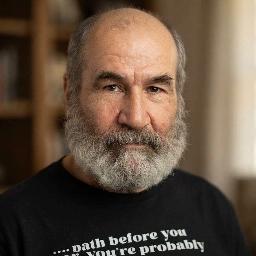
About Robert
His caseload has included a wide range of concerns, from panic and post-traumatic stress to divorce and separation. He also addresses attachment and abandonment issues, dependent and avoidant personality patterns, jealousy, and dynamics related to narcissism. Chronic illness, cancer, hospice and end-of-life questions are part of his experience as well.
Robert uses a person-centered style that aims to meet each person where they are. He can work with clients interested in faith-informed counseling or those who prefer a nonreligious look at spirituality. Sessions focus on talking through what matters most to the client and finding practical ways forward.
In sessions he helps people process difficult emotions, build insight into patterns, and practice different ways of communicating. He emphasizes a respectful pace so clients can make changes without feeling rushed. The work often combines emotional support with clear steps people can try between meetings.
Over a long career he has developed particular skill in guiding people through loss, illness, and the relational fallout of major life events. People who want straightforward guidance on life purpose, coping, or navigating complex relationships may find his approach helpful.
Areas of expertise
Primary focus
Additional focus areas
Therapeutic approaches
Experience
40+ years
Credentials
Florida
Languages
English
Existential approaches and working online
Existential Therapy looks at the big questions people face, like meaning, freedom, and personal responsibility. It helps people who feel stuck by encouraging honest reflection about values, life choices, and what matters most.Robert pairs this perspective with a person-centered way of working that focuses on the client's experience in the moment. That means the therapist and client talk through what feels important, try out different ways of handling situations, and decide together what direction to take.
Finding the right approach is part of the work. He will help you determine whether an existential lens, a focus on relationships, or a different emphasis fits your goals. That decision is collaborative and can change as therapy progresses.
Because the source biography does not specify session formats, confirm current session options before booking. Many people appreciate online sessions for fitting therapy into a busy week, shortening travel time, and making it easier to meet during a lunch break or between errands. Online work can allow a consistent meeting rhythm that supports steady progress without requiring a long commute.
Frequently asked questions
What kinds of concerns does he address?
He works with stress, anxiety, relationship struggles, grief, self-esteem, and coping with life changes. Additional focus areas include abandonment, attachment, chronic illness, and narcissism-related dynamics.
What is his therapeutic style like?
He practices a person-centered, compassionate approach that emphasizes meeting people where they are. Sessions involve listening, reflecting, and helping clients find practical steps to try between appointments.
How much experience does he have?
He brings forty years of experience working with people through loss, illness, relationship changes, and other major life events.
What are his credentials and where is he based?
He is a Florida Licensed Mental Health Counselor, listed as LMHC, and practices in Florida.
Which languages are supported for sessions?
Sessions are offered in English.
Does he work with clients outside the United States?
International clients are not currently accepted.
How are sessions paid for and what does it cost?
Cost varies with location and therapist availability; sessions use a subscription that can be canceled at any time.
How do I begin if I want to work with him?
Select the Start Therapy button, complete the short matching questionnaire, and schedule according to the therapist's availability.
Before you get in touch
Therapists listed here offer talking therapy online. A profile is not a diagnosis of you or of anyone in your life, and no therapist can promise how a relationship will turn out.
If you are in danger, or someone is hurting or threatening you, contact emergency services or a domestic-abuse helpline. The numbers are at the foot of this page.