- Collaborative approach
- Practical steps
- Values focused
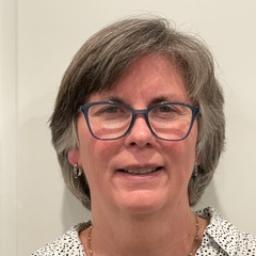
About Rebecca
Her style is collaborative and client-centered. Sessions are conversational and goal-focused. Rebecca encourages small steps and builds on a person’s existing strengths rather than starting from scratch.
Rebecca uses a mix of approaches to match each person's needs. She draws on Acceptance and Commitment Therapy to clarify values and unwanted patterns. Cognitive Behavioral Therapy is used for spotting and changing behaviors that get in the way. Solution-Focused ideas help set short-term goals and track progress.
With five years of clinical experience, Rebecca has worked with a variety of concerns including panic, obsessive thoughts, bipolar mood issues, and compassion fatigue. She pays attention to how past attachment wounds or abandonment fears show up now, and she helps people identify practical ways to respond differently.
People who choose Rebecca can expect a respectful, down-to-earth approach. The focus is on usable tools, steady progress, and finding what matters to each individual. To begin, readers should use the site’s Start Therapy button and complete the short matching questionnaire.
Areas of expertise
Primary focus
Also works with
Additional focus areas
Therapeutic approaches
Experience
5+ years
Credentials
Alabama, Virginia
Languages
English
How therapy approaches shape online work
Rebecca integrates Acceptance and Commitment Therapy and Cognitive Behavioral Therapy into her work. Acceptance and Commitment Therapy helps people notice difficult thoughts and choose actions that fit their values rather than getting stuck in struggle. Cognitive Behavioral Therapy focuses on identifying unhelpful thinking and testing small behavior changes to reduce symptoms and improve daily functioning.She approaches the choice of method as a team effort. The therapist will discuss goals, preferences, and what has or hasn’t worked before. Together they decide which approach or combination feels most useful and adjust as progress unfolds.
Confirm current online session options before booking because formats are not listed in the biography. In general, online work can make it easier to fit sessions into busy routines, shorten check-ins when needed, and reduce travel time. These practical benefits help people keep therapy consistent while working toward clearer goals and better daily coping.
Frequently asked questions
What kinds of concerns does Rebecca address?
Rebecca supports people with stress, anxiety, depression, mood disorders, trauma, grief, addictions, ADHD, and relationship difficulties, including issues related to narcissism.
How would you describe her therapeutic style?
She uses a collaborative, client-centered style that focuses on small, practical steps and building on each person’s strengths to reach goals.
What experience does she bring to sessions?
Rebecca has five years of clinical experience working with a range of concerns such as panic attacks, OCD symptoms, bipolar mood challenges, and compassion fatigue.
Where is she licensed and located?
Rebecca holds LPC credentials and practices in Alabama with licensure as an AL LPC and VA LPC.
Which languages are offered for sessions?
Sessions are offered in English.
What session formats are available?
Please confirm current session options before booking, as formats are not specified in the biography.
How are sessions priced?
Cost varies with location and therapist availability; sessions use a subscription that can be canceled at any time.
How do I begin working with her?
Select the Start Therapy button, complete the short matching questionnaire, and schedule according to therapist availability.
Before you get in touch
Therapists listed here offer talking therapy online. A profile is not a diagnosis of you or of anyone in your life, and no therapist can promise how a relationship will turn out.
If you are in danger, or someone is hurting or threatening you, contact emergency services or a domestic-abuse helpline. The numbers are at the foot of this page.