- Client-centered care
- Mindfulness and somatic
- Focus on relationships
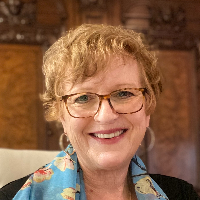
About Rebecca
She draws from many therapeutic approaches and adapts them to fit each person. That may mean exploring personal stories, paying attention to body sensations, or practicing mindful awareness to reduce reactivity. She also uses hypnotherapy techniques when appropriate to help with patterns that feel stuck.
Rebecca has worked in counseling since the 1980s and has held a Texas LPC since 2001. Over the past decade she has continued focusing on somatic and experiential methods aimed at stress, trauma, pain, addiction, and relationship healing. Her background gives her a wide set of options to try with each person.
Sessions tend to focus on what is happening now in life, and on simple skills people can take away. She often helps people explore attachment, abandonment, communication, and intimacy issues, and supports work on self-esteem, grief, and caregiver stress. The aim is clearer choices and fewer stuck patterns.
Rebecca encourages slow, steady change rather than quick fixes. She works collaboratively to find approaches that feel useful. If someone chooses to work with her, she aims to offer steady attention and practical strategies tailored to their goals.
Areas of expertise
Primary focus
Also works with
Additional focus areas
Therapeutic approaches
Experience
10+ years
Credentials
Texas
Languages
English
How her approaches translate to online work
Rebecca often uses client-centered work and mindfulness in session. Client-centered work means she follows the person’s lead, listens closely, and helps clarify goals and values. That approach is useful for relationship issues, stress, and self-esteem concerns. Mindfulness therapy focuses on present-moment awareness and simple exercises to reduce reactivity and manage anxiety or chronic stress.She also draws from narrative therapy, which helps people rewrite the stories they tell about themselves and their relationships. Narrative work can be helpful for grief, identity issues, codependency, and problems tied to past trauma. These approaches can be mixed with somatic awareness or hypnotherapy techniques when they fit the person’s needs.
Choosing the right approach is part of the process, and she works together with each person to find what fits. The first conversations typically clarify goals, preferences, and practical needs, and then she suggests options to try. That collaborative process helps tailor techniques over time rather than committing to one method up front.
If you are considering online sessions, confirm the current session options before booking. Online help can make it easier to fit therapy into a busy life, skip travel time, or have a shorter check-in when that suits a schedule. Talk with her about how you want sessions to fit your routine and she will help plan an approach that works for you.
Frequently asked questions
What concerns does she help with?
She helps people with stress, anxiety, depression, trauma and abuse, relationship and intimacy-related issues, grief, addictions, ADHD, parenting stress, and related concerns such as attachment and abandonment.
What is her therapy style like?
The approach is adaptable and practical. Sessions emphasize listening, mindful awareness, body-based work, and helping people build skills they can use between meetings.
How long has she been practicing?
She has worked in counseling since the 1980s and holds a Texas LPC since 2001, with about ten years of recent focused practice described in the profile.
Where is she licensed and based?
She is a Licensed Professional Counselor (LPC) in Texas and practices from that state.
Which languages are supported?
Sessions are offered in English.
Can international clients work with her?
International clients are not currently accepted.
How does payment and cost work?
Cost varies with location and therapist availability; sessions use a subscription that can be canceled at any time.
How do I begin working together?
Use the Start Therapy button, complete the short matching questionnaire, and schedule according to therapist availability.
Before you get in touch
Therapists listed here offer talking therapy online. A profile is not a diagnosis of you or of anyone in your life, and no therapist can promise how a relationship will turn out.
If you are in danger, or someone is hurting or threatening you, contact emergency services or a domestic-abuse helpline. The numbers are at the foot of this page.