- Relationship repair
- Attachment focus
- Client-centered care
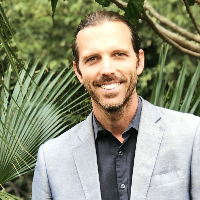
About Paul
Paul has nine years of clinical experience and has worked in private practice for five years. He draws on several ways of working to match what each person needs. Sessions focus on finding connection, improving communication, and reducing patterns that keep problems stuck.
His approach is client-centered and informed by emotionally-focused work. That means conversations pay attention to feelings, attachment needs, and the moments where relationships get strained. Paul helps clients name emotions, track patterns, and try new ways of responding to each other.
He also integrates practical tools from cognitive behavioral methods when helpful. These tools support clearer thinking, behavior changes, and coping skills for anxiety, sleep problems, or stress. Paul pays attention to life transitions like separation, blended family adjustments, and changes in career or parenting roles.
Common concerns he addresses include abandonment and attachment issues, body image, codependency, commitment and control problems, and challenges within kink or alternative sex culture. He works with people facing grief, first responder stress, and compassion fatigue. Paul practices in Florida and offers sessions in English. If unsure about formats, readers should confirm current session options before booking.
Areas of expertise
Primary focus
Also works with
Additional focus areas
Therapeutic approaches
Experience
9+ years
Credentials
Florida, Oregon, Washington
Languages
English
How Paul Uses Key Approaches Online
Paul often draws on attachment-based work to look at how early relationship patterns shape present reactions. This approach helps people identify attachment needs and rebuild trust in close relationships. He also uses emotionally-focused ideas to map how partners or individuals respond during conflict and to guide conversations toward deeper connection.When helpful, he adds client-centered principles that keep the work grounded in each person's experience. That means sessions focus on listening, reflecting, and following the client's pace so goals and methods fit the person. Choosing the right approach is collaborative; Paul will help you decide what fits your goals and preferences over the first few sessions.
If you are considering online sessions, confirm current formats before booking since the biography does not list them. Online work can make it easier to fit therapy into a busy week, allow shorter check-ins when needed, and reduce travel time. It can also let people use audio-only options when bandwidth is limited or opt for longer sessions to tackle complex relationship work. Talk with Paul during scheduling to find the practical session structure that matches your needs.
Frequently asked questions
What issues does Paul commonly help with?
He helps people dealing with relationship strain, intimacy issues, anxiety, depression, trauma, and addiction as well as family and parenting stresses.
How would you describe his therapy style?
Sessions are client-centered and emotionally-focused, emphasizing feelings and attachment needs while also using practical cognitive tools when useful.
What kind of experience does he bring?
Paul has nine years of clinical experience and has been practicing in private practice for five years.
Where is Paul licensed and based?
He is a licensed marriage and family therapist (LMFT) practicing in Florida with credentials listed as OR LMFT and FL LMFT.
Which languages are supported for sessions?
Sessions are offered in English and he also accepts international clients.
What session formats are available?
Session formats were not specified in the biography; please confirm current session options before booking.
How does pricing work?
Cost varies with location and therapist availability, and sessions use a subscription that can be canceled at any time.
How do I begin working with him?
Use the Start Therapy button, complete a short matching questionnaire, and schedule based on the therapist's availability.
Before you get in touch
Therapists listed here offer talking therapy online. A profile is not a diagnosis of you or of anyone in your life, and no therapist can promise how a relationship will turn out.
If you are in danger, or someone is hurting or threatening you, contact emergency services or a domestic-abuse helpline. The numbers are at the foot of this page.