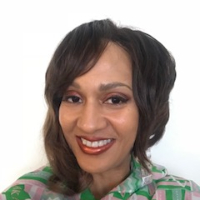
- Nonjudgmental listener
- Practical coping skills
- Mindfulness focus
About Pamela
Her approach is warm and nonjudgmental. She listens actively and works to build a strong rapport so clients feel heard. Sessions focus on practical problem solving, developing self-compassion, and finding tools a person can use between meetings.
Pamela uses therapies that match the person’s needs. That may include client-centered work, cognitive behavioral techniques, dialectical behavior strategies, emotionally-focused methods, or mindfulness practices. She adapts methods to the goals and pace each person prefers.
In the room she emphasizes self-acceptance, self-love, and self-forgiveness as steps toward healthier relationships and better daily functioning. Pamela encourages people to identify strengths they already have and to build on them.
Her background includes decades of work with a wide range of concerns, from trauma and abuse to neurodiversity and chronic illness. Pamela aims to help people find clear next steps and compassionate support as they face life’s challenges.
Areas of expertise
Primary focus
Also works with
Additional focus areas
Therapeutic approaches
Experience
32+ years
Credentials
Michigan
Languages
English
Approaches that translate to online work
Client-centered therapy focuses on the person’s experience and builds on strengths through empathetic listening and collaboration. It helps people feel understood and helps shape goals that matter to them. Cognitive Behavioral Therapy (CBT) breaks problems into thoughts, feelings, and behaviors and teaches practical skills to change unhelpful patterns; it is useful for anxiety, depression, and stress. Mindfulness Therapy trains attention and present-moment awareness to reduce reactivity and improve mood, which can help with anxiety, trauma responses, and coping with chronic stress.Choosing the best approach is a shared process. Pamela will work with each person to decide which methods fit their needs, goals, and preferences, and she adjusts the plan as progress is made. The aim is to find approaches that feel practical and manageable for day-to-day life.
The biography does not list specific session formats, so confirm options before booking. In general, online therapy can make it easier to fit sessions into a busy schedule, reduce travel time, and allow for shorter check-ins when needed. It can also let people use audio-only sessions if video is difficult, or schedule meetings around work, caregiving, or medical appointments. Ask the therapist or platform for current format options and how scheduling works.
Frequently asked questions
What concerns does Pamela commonly address?
She works with stress, anxiety, depression, trauma and abuse, self-esteem, addictions, relationship and intimacy issues, grief, ADHD, and many related concerns listed in her specialties.
How would you describe her therapeutic style?
Her style is nonjudgmental and empathetic, with active listening and practical problem solving to build rapport and find useful strategies.
What is her clinical background and experience?
She has 32 years of experience working with a wide range of issues including trauma, neurodiversity, chronic illness, and relationship challenges.
What credentials and location are listed for this therapist?
She is listed as an LMSW, which stands for Licensed Master Social Worker, and practices from Michigan.
Which languages are supported and can she work with international clients?
Sessions are offered in English, and she accepts international clients.
What session formats should I expect?
The original biography does not specify session formats; please confirm current session options with the platform before booking.
How are costs and billing handled?
Cost varies with location and therapist availability, and sessions use a subscription that can be canceled at any time.
How do I begin the process to work with Pamela?
Use the Start Therapy button, complete a short matching questionnaire, and then schedule according to the therapist's availability.
Before you get in touch
Therapists listed here offer talking therapy online. A profile is not a diagnosis of you or of anyone in your life, and no therapist can promise how a relationship will turn out.
If you are in danger, or someone is hurting or threatening you, contact emergency services or a domestic-abuse helpline. The numbers are at the foot of this page.