- Attachment-informed
- CBT strategies
- Parenting support
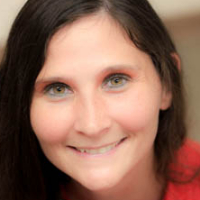
About Nicole
Her approach is practical and collaborative. She tailors each session to the person and begins by building an individualized plan at the first meeting. Sessions mix tools to address thinking patterns, emotional responses, and relationship habits so people can try small changes that feel doable.
Dr. Thweatt draws on attachment-based ideas to look at how early relationships shape current bonds. She uses client-centered methods to keep sessions focused on each person’s goals. Cognitive behavioral techniques are used to identify unhelpful thoughts and test new behaviors.
She also integrates mindfulness practices and Jungian perspectives when they fit a client’s needs. This can help with mood regulation, deeper self-understanding, and noticing patterns that repeat across relationships.
Across therapy she emphasizes concrete skills - communication, assertiveness, anger management, and parenting supports. She offers coaching-style guidance alongside therapy to help people practice changes between sessions. The overall aim is clearer thinking, healthier relationships, and more stable emotional life.
Areas of expertise
Primary focus
Also works with
Additional focus areas
Therapeutic approaches
Experience
18+ years
Credentials
Florida
Languages
English
Therapeutic approaches and online care
Dr. Thweatt commonly uses attachment-based ideas to explore how early relationship patterns affect current bonds and emotional responses. This can help when trust, intimacy, or repeated relationship problems are part of the concern.She also relies on client-centered work that keeps the person’s goals and experience central, allowing clients to guide the pace and focus of sessions. Cognitive behavioral techniques are used to spot unhelpful thoughts and test new behaviors step by step, which can be useful for anxiety, mood challenges, and stress management.
Finding the right approach is part of therapy. The therapist will collaborate with each person to pick methods that fit their goals, needs, and preferences. That means trying strategies, checking how they feel, and adjusting the plan together.
The biography does not specify which session formats are offered, so confirm current options before booking. Online work can make it easier to schedule therapy around school, work, or caregiving. It can reduce travel time, allow for shorter check-ins when needed, and make it simpler to keep regular appointments during life changes.
Frequently asked questions
What concerns does she help with?
She supports people facing stress, anxiety, depression, relationship issues, parenting strain, trauma and abuse, grief, ADHD, and related challenges such as low self-esteem and anger.
How would you describe her therapeutic style?
Her style is collaborative and practical. Sessions focus on building an individualized plan and teaching concrete skills like communication and anger management.
What professional background does she bring?
She has 18 years of experience in mental health, including work with domestic violence, family conflict, trauma-related issues, and mood dysregulation.
What credentials and location apply to this clinician?
She is a licensed mental health counselor, LMHC, and practices in Florida.
Which languages are supported and can she work with international clients?
Sessions are offered in English. International clients are not currently accepted.
What session formats are available?
The biography does not list specific session formats. Please confirm the current session options before booking.
How is cost handled for sessions?
Costs vary with location and therapist availability; sessions use a subscription that can be canceled at any time.
How do I begin working with her?
Use the Start Therapy button, complete a short matching questionnaire, and schedule according to therapist availability.
Before you get in touch
Therapists listed here offer talking therapy online. A profile is not a diagnosis of you or of anyone in your life, and no therapist can promise how a relationship will turn out.
If you are in danger, or someone is hurting or threatening you, contact emergency services or a domestic-abuse helpline. The numbers are at the foot of this page.