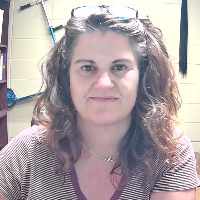
- Affirming approach
- Practical tools
- Strengths focused
About Misha
She centers an affirming, compassionate stance in sessions, especially for LGBTQ+ people and clients of color. Misha focuses on practical steps toward better self-esteem, clearer communication, and safer boundaries. She pays attention to cultural background and personal strengths when helping someone plan next steps.
Misha blends several therapeutic approaches to match what each person needs. She uses attachment ideas to look at how early relationships shape present patterns. She also draws on cognitive behavioral methods to identify unhelpful thoughts and try new behaviors. Trauma-focused practices guide work when past hurt still affects daily functioning.
Sessions tend to be collaborative and direct. Clients set goals and Misha helps them break those goals into small, doable actions. She also helps people process grief, cope with career stress, manage addiction concerns, and address intimacy-related problems.
Misha is based in Alabama and holds the credential LPC, which stands for Licensed Professional Counselor. She works in English and does not take international clients. To start, a reader can use the site’s Start Therapy option to answer a short matching questionnaire and schedule based on therapist availability.
Areas of expertise
Primary focus
Also works with
Additional focus areas
Therapeutic approaches
Experience
22+ years
Credentials
Alabama
Languages
English
How attachment work and CBT translate to online care
Attachment-based work looks at how early connections affect current relationships and emotional patterns. It helps people notice repeated ways of relating and learn new approaches to closeness and trust.Client-centered therapy focuses on listening, acceptance, and following the client’s pace. It supports people who need a nonjudgmental space to sort identity, values, and next steps.
Cognitive Behavioral Therapy, or CBT, helps identify unhelpful thoughts and test different behaviors. It is useful for anxiety, depression, stress management, and working through everyday decision-making.
Finding the right approach is a collaborative process. The therapist will talk with each person about needs, goals, and preferences and then try methods that fit. Plans can change as progress unfolds so the work stays focused and useful.
Session logistics should be confirmed before booking since formats are not specified here. Online work can make it easier to fit therapy into a busy schedule, allow shorter check-ins when needed, and remove travel time. It also makes it possible to continue care through life changes while keeping the focus on practical strategies and emotional healing.
Frequently asked questions
What kinds of concerns are addressed here?
The practice supports stress, anxiety, depression, relationship and intimacy issues, addictions, grief, parenting strain, ADHD, bipolar concerns, career stress, compassion fatigue, and related challenges such as attachment or abandonment wounds.
How does Misha approach therapy?
She works in a collaborative, person-centered way that emphasizes strengths and practical steps. Sessions often combine understanding past patterns with trying new behaviors for everyday life.
What is her clinical background?
She has 22 years of experience working with people on emotional and relational challenges, including trauma, identity exploration, and life transitions.
Where is the therapist located and what are the credentials?
She is based in Alabama and holds the credential LPC, which stands for Licensed Professional Counselor.
Which languages are sessions offered in?
Sessions are offered in English.
Can people outside the U.S. work with this therapist?
International clients are not currently accepted.
How does payment and cost work?
Cost varies with location and therapist availability; sessions use a subscription that can be canceled at any time.
What should I do to begin therapy?
Select the Start Therapy button, complete a short matching questionnaire, and schedule according to therapist availability.
Before you get in touch
Therapists listed here offer talking therapy online. A profile is not a diagnosis of you or of anyone in your life, and no therapist can promise how a relationship will turn out.
If you are in danger, or someone is hurting or threatening you, contact emergency services or a domestic-abuse helpline. The numbers are at the foot of this page.