- Judgment-free listening
- Practical coping tools
- Evidence-based methods
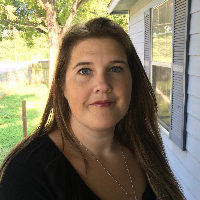
About Melanie
She emphasizes a collaborative relationship as the foundation for change. Melanie uses Cognitive Behavioral Therapy to help people sort through daily problems and find practical ways to reduce depression and anxiety. She focuses on identifying areas where a person does have control and building strategies to make life more manageable.
Her work covers a broad range of concerns, including stress, trauma and abuse, grief, self-esteem, addictions, relationship and intimacy-related issues, eating and sleeping problems, parenting strain, anger, bipolar disorder, and depression. She also supports people facing career stress, caregiver issues, first responder stress, and compassion fatigue.
Melanie lists additional focus areas such as abandonment, avoidant and antisocial personality traits, commitment and control issues, communication problems, domestic violence, divorce and separation, fertility and cancer-related concerns, and kink-informed care. Her approach blends evidence-based methods with encouragement and education.
Her style is practical and direct. Sessions aim to teach tools people can use between meetings. To begin, prospective clients complete a short matching questionnaire and schedule according to availability.
Areas of expertise
Primary focus
Also works with
Additional focus areas
Therapeutic approaches
Experience
8+ years
Credentials
Connecticut, New York
Languages
English
Therapeutic approaches and how they work online
Acceptance and Commitment Therapy (ACT) helps people notice difficult thoughts and feelings without letting them drive behavior, so they can act in line with their values and goals. Cognitive Behavioral Therapy (CBT) focuses on identifying unhelpful thinking and testing new behaviors to reduce anxiety and depression. Motivational Interviewing is a conversational method that helps people find their own reasons for change and build commitment to next steps.Finding the right approach is a collaborative process. Melanie will work with each person to choose methods that match their needs, goals, and preferences, and she may blend techniques from different approaches as the work evolves.
The practical benefits of online therapy can include easier scheduling and fitting sessions into a busy week. Online work can allow for shorter check-ins when needed, and it can reduce travel time so sessions are more convenient. The therapist's biography does not list specific session formats, so confirm available options before booking to ensure they fit your routine.
Frequently asked questions
What kinds of problems does Melanie help with?
She works with a wide range of concerns including stress, anxiety, trauma and abuse, grief, self-esteem, addictions, relationship and intimacy-related issues, eating and sleeping problems, parenting strain, bipolar disorder, depression, and coping with life changes.
How would you describe her therapeutic style?
Her style is collaborative and practical, focusing on a trusting relationship and teaching tools people can use between sessions to reduce distress and improve daily functioning.
What is her clinical background?
She has eight years of clinical experience and works from New York. Melanie emphasizes evidence-based approaches and aims to support, encourage, and educate clients.
What credentials and location apply to her practice?
Melanie holds LMHC and LPC credentials and is licensed in New York. Her practice is based in New York.
Can I work with her in a language other than English?
Sessions are offered in English.
What session formats are used?
The original biography does not list specific session formats; please confirm current session options before booking.
How are fees handled and what does it cost?
Cost varies with location and therapist availability; sessions use a subscription that can be canceled at any time.
How do I start therapy with her?
Select the Start Therapy button, complete a short matching questionnaire, and schedule according to the therapist's availability.
Before you get in touch
Therapists listed here offer talking therapy online. A profile is not a diagnosis of you or of anyone in your life, and no therapist can promise how a relationship will turn out.
If you are in danger, or someone is hurting or threatening you, contact emergency services or a domestic-abuse helpline. The numbers are at the foot of this page.