- Practical coping skills
- Client-centered focus
- Thought-behavior work
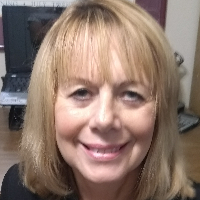
About Mary
Her style is warm and straightforward. She listens to current symptoms and past coping strategies. She asks about living situation and family of origin to understand each person's background. Sessions focus on practical ways to feel better and to handle daily challenges.
Mary draws on several approaches rather than one fixed method. She commonly uses client-centered work to build a trusting relationship and cognitive behavioral techniques to address thoughts and behaviors that keep problems going. She may also bring psychodynamic or existential perspectives when helpful to understand deeper patterns.
Her experience spans community mental health settings and private practice, including work with seriously and persistently mentally ill people and those facing complex conditions. Mary has done couples work in the past but is not currently taking that type of client.
She encourages people who have had recent suicidal thoughts to seek more intensive care than online therapy. For routine scheduling, Mary expects clients to attend sessions and to give 48 hours notice for cancellations when possible.
Areas of expertise
Primary focus
Also works with
Additional focus areas
Therapeutic approaches
Experience
30+ years
Credentials
Florida, Pennsylvania
Languages
English
Approaches that guide online work
Mary often uses client-centered therapy to create a respectful, listening space where the person sets the pace and topics. This approach helps when someone needs validation and support while sorting through feelings and choices.She also uses cognitive behavioral therapy (CBT) to identify unhelpful thoughts and test new behaviors. CBT is practical for anxiety, depression, and patterns that get in the way of daily functioning.
Finding the right approach is treated as a collaborative process. The therapist will ask about goals, what has helped before, and what feels most useful. Together they adjust methods based on progress and preferences rather than sticking to one fixed plan.
For online sessions, confirm the current session options before booking since formats are not listed here. Online work can make it easier to fit therapy into a busy life - appointments can be scheduled around work, caregiving, or medical needs. Some formats allow shorter check-ins when time is tight, while others support longer weekly sessions for deeper work. Mary will discuss what arrangements best match the client's schedule and clinical needs.
Frequently asked questions
What concerns does Mary commonly address?
She helps with stress, anxiety, depression, grief, addictions, self-esteem, relationship and parenting strain, trauma and several other life changes.
How would you describe her therapeutic style?
Her style is warm and straightforward. She listens to symptoms, past coping strategies, and life context to create practical steps forward.
What is her professional background?
Mary has thirty years of experience in community mental health and private practice, including work with seriously and persistently mentally ill people and complex conditions.
What credentials does she hold and where is she based?
She is an LMHC and an LPC. Her practice location is Florida and she holds licenses reflecting those credentials.
Which languages are sessions offered in?
Sessions are offered in English.
Can people outside the United States work with her?
International clients are not currently accepted.
How is cost handled for sessions?
Cost varies with location and therapist availability; sessions use a subscription that can be canceled at any time.
What steps start the process of working together?
Select the Start Therapy button, complete a short matching questionnaire, and schedule according to therapist availability.
Before you get in touch
Therapists listed here offer talking therapy online. A profile is not a diagnosis of you or of anyone in your life, and no therapist can promise how a relationship will turn out.
If you are in danger, or someone is hurting or threatening you, contact emergency services or a domestic-abuse helpline. The numbers are at the foot of this page.