- Practical coping skills
- Family conflict support
- Trauma-informed care
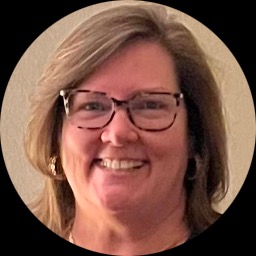
About Margaretmary
Her practice focuses on listening first and then shaping a plan that fits each person's needs. Sessions are meant to be practical and straightforward. She talks through current problems and helps people build clearer coping steps for everyday life.
Margaretmary frames treatment around what a person wants to change. She pays attention to things like abandonment, attachment concerns, codependency, and relationship patterns that affect daily functioning. She also works with challenges such as chronic pain or illness, caregiver stress, body image, and communication problems within blended families.
Over a decade of work has included responding to crisis after natural or human-caused disasters and supporting people who face complex co-morbidity or personality-related concerns. Her LPCC credential stands for Licensed Professional Clinical Counselor. She uses that experience to keep care focused and adaptable.
People who choose her can expect a caring dialogue and a tailored plan. She encourages small, achievable goals and regular check-ins to track progress. The goal is steady improvement that fits a person's life and responsibilities.
Areas of expertise
Primary focus
Additional focus areas
Experience
10+ years
Credentials
Kentucky
Languages
English
How therapeutic methods translate to online work
Margaretmary uses evidence-based therapeutic techniques that focus on practical coping and clearer communication. One approach centers on building step-by-step coping skills to manage anxiety and stress - it teaches short exercises and routines people can use between sessions. Another approach addresses trauma and abuse by creating a steady, paced plan to work through difficult memories and reactions without becoming overwhelmed.Finding the right approach is part of the work together. The therapist will collaborate with each person to decide which techniques fit their goals, life demands, and preferences. That means trying strategies, checking what helps, and changing course when something isn’t working.
Because the original biography does not list specific session formats, confirm available session options before booking. Online therapy can make it easier to fit sessions into a busy schedule, reduce travel time, and allow shorter check-ins when needed. It also lets people practice new skills between meetings in the settings where they live and work. Licensed professionals generally aim to match session style and pacing to what helps each person make steady progress.
Frequently asked questions
What concerns does she help with?
She helps people dealing with stress, anxiety, depression, trauma and abuse, addictions, and family concerns. Additional focuses include attachment issues, codependency, and body image.
How would you describe her therapeutic style?
Her style is respectful and practical. She listens first, then works with you to create clear goals and coping steps.
What kind of experience does she bring?
She has ten years of professional work experience supporting people through crisis, trauma, addiction, and ongoing stressors. That background shapes a hands-on approach to problem solving.
What are her credentials and location?
She is an LPCC, which stands for Licensed Professional Clinical Counselor, and practices in Kentucky.
Which languages are supported?
Sessions are offered in English.
What session formats are available?
The original biography does not list specific session formats. Please confirm current session options before booking.
How are fees and payment handled?
Cost varies with location and therapist availability, and sessions use a subscription that can be canceled at any time.
How do I begin working with her?
Choose the Start Therapy button, complete a short matching questionnaire, and then schedule according to the therapist's availability.
Before you get in touch
Therapists listed here offer talking therapy online. A profile is not a diagnosis of you or of anyone in your life, and no therapist can promise how a relationship will turn out.
If you are in danger, or someone is hurting or threatening you, contact emergency services or a domestic-abuse helpline. The numbers are at the foot of this page.