- Direct listening
- Solution focused
- Practical plans
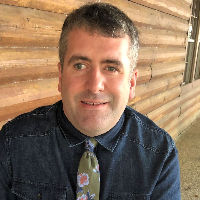
About Lannie
He uses straightforward conversation to clarify goals and spot small shifts that can make daily life easier. Sessions often focus on improving communication, managing stress and anxiety, and rebuilding self-esteem after loss or relationship problems. He also works with concerns like parenting strain, addiction, grief, trauma and issues around intimacy.
Before counseling, he spent 15 years in corporate communications and public relations. That background shapes his problem-solving approach and his attention to clear, practical plans. He holds a master’s degree in Clinical Mental Health Counseling from West Texas A&M University and the LPC credential.
His clinical toolkit includes Cognitive Behavioral Therapy, Dialectical Behavior Therapy, Emotionally-Focused Therapy, the Gottman Method, and mindfulness-based techniques. He combines these methods to match a person's needs rather than using a one-size-fits-all plan.
He is a husband and father and sometimes mentions everyday family life in sessions. He also notes his Seeing Eye dog, Abbott, for a light moment when appropriate. To begin, clients follow the site's intake steps and schedule based on availability.
Areas of expertise
Primary focus
Also works with
Additional focus areas
Therapeutic approaches
Experience
3+ years
Credentials
Texas
Languages
English
How these approaches guide online work
CBT focuses on the link between thoughts, feelings, and actions. It helps people spot unhelpful thinking and try small behavioral changes to reduce anxiety, improve mood, or change patterns that cause problems.Emotionally-Focused Therapy centers on feelings and connection. It helps people understand their emotions in relationships and practice new ways of responding that build trust and closeness.
Dialectical Behavior Therapy teaches skills for managing strong emotions and improving relationships. It offers tools for distress tolerance, emotion regulation, and clearer communication during heated moments.
Finding the right approach is a team effort. The therapist will talk with each person about goals and preferences and suggest methods that fit. Together they try approaches and adjust based on what helps most.
The practical benefits of online therapy include easier scheduling and the ability to fit sessions into busy days. Online work can make regular check-ins simpler and reduce travel time so people can keep progress between appointments. The biography does not list specific session formats, so confirm the current options before booking to see which format fits your routine.
Frequently asked questions
What concerns can Lannie help with?
He works with stress, anxiety, depression, relationship and parenting concerns as well as trauma, grief, addictions, ADHD, and intimacy or communication problems.
How would you describe his therapeutic style?
He uses a down-to-earth, encouraging approach that focuses on clear next steps and practical problem solving during sessions.
What is his professional background?
He has three years of counseling experience plus 15 years in corporate communications and public relations, and he emphasizes practical strategies drawn from both areas.
What credentials and location are listed?
He is a licensed professional counselor, LPC, practicing in Texas with a master’s in Clinical Mental Health Counseling from West Texas A&M University.
Does he offer sessions in other languages or abroad?
Sessions are offered in English and he accepts international clients.
What session formats are available?
The original biography does not list specific session formats; please confirm current session options before booking.
How do fees and subscriptions work?
Cost varies with location and therapist availability, and sessions use a subscription that can be canceled at any time.
How do I begin working with him?
Select the Start Therapy button, complete the short matching questionnaire, and schedule according to therapist availability.
Before you get in touch
Therapists listed here offer talking therapy online. A profile is not a diagnosis of you or of anyone in your life, and no therapist can promise how a relationship will turn out.
If you are in danger, or someone is hurting or threatening you, contact emergency services or a domestic-abuse helpline. The numbers are at the foot of this page.