- Strengths focused
- Practical strategies
- Goal oriented
About Ken
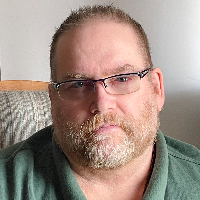
Ken listens first. He pays attention to strengths clients already have and uses those strengths to build coping skills and reach goals. Sessions focus on concrete strategies for problems like sleep, eating, anger, grief, or feeling stuck after life changes. He avoids stigmatizing labels and treats people with respect and compassion.
Before licensure Ken spent many years in human services in Utah working on child abuse, neglect, adoption, and foster care matters. He has experience in community mental health and with people involved in court-ordered treatment and substance use services. That background shapes his practical, service-oriented approach to daily problems like housing, employment, and finances.
Ken’s method mixes cognitive behavioral ideas with client-centered listening and attachment-informed perspectives. He helps people notice thoughts that get in the way, practice new responses, and set realistic steps toward change. He also uses trauma-focused tools when they fit a person’s needs.
People who choose him can expect focused sessions that identify goals, name obstacles, and build simple skills to use between meetings. He frames therapy as a collaborative journey and helps people work toward greater stability and meaning in day-to-day life.
Areas of expertise
Primary focus
Also works with
Additional focus areas
Therapeutic approaches
Experience
14+ years
Credentials
Utah
Languages
English
Approaches that translate well to online work
Ken uses cognitive behavioral ideas to help people notice unhelpful thoughts and try small behavior changes; this approach works well when someone wants clear skills for anxiety, depression, or impulsive patterns. Attachment-based ideas focus on how early relationships shape expectations and trust, and they help people understand patterns in close relationships and intimacy issues. Client-centered work means Ken listens closely and follows a person's lead, which supports pacing and building goals that feel right for the individual.Choosing the right approach is a collaborative process. Ken will talk with each person about their goals, past experiences, and what methods feel most useful. Together they decide which ideas to try and adjust the plan as progress is made.
Session formats are not specified in the biography, so confirm current options before booking. In general, online work can make it easier to fit sessions into a busy week, reduce travel time, and allow shorter check-ins when schedules are tight. It can also make it simpler to continue consistent work through life changes or when managing symptoms like anxiety or sleep disruption. A therapist can recommend which methods and pacing are likely to be most helpful for each person.
Frequently asked questions
What kinds of concerns does Ken address?
He works with a wide range of issues including stress, anxiety, addictions, relationship and intimacy concerns, depression, ADHD, trauma and abuse, grief, sleep and eating problems, parenting strain, anger, self-esteem, and coping with life changes.
What is Ken's therapy style like?
His style is listening first and building on strengths. He uses client-centered listening alongside cognitive-behavioral and attachment-informed approaches to set goals and teach practical skills.
What background does he bring to sessions?
Ken spent many years in Utah human services dealing with child abuse, neglect, adoption, and foster care issues, and has experience in community mental health and substance use treatment settings.
What credentials and location are listed?
He is a Licensed Clinical Mental Health Counselor - LCMHC - practicing in Utah.
Which languages are supported for sessions?
Sessions are offered in English.
Are international clients accepted?
International clients are not currently accepted.
How does payment and cost work?
Cost varies with location and therapist availability; sessions use a subscription that can be canceled at any time.
How do I begin working with him?
Select the Start Therapy button, complete a short matching questionnaire, and schedule according to therapist availability.
Before you get in touch
Therapists listed here offer talking therapy online. A profile is not a diagnosis of you or of anyone in your life, and no therapist can promise how a relationship will turn out.
If you are in danger, or someone is hurting or threatening you, contact emergency services or a domestic-abuse helpline. The numbers are at the foot of this page.