- Skills focused
- Empathic listening
- Goal oriented
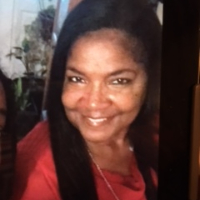
About Gwendolyn
Gwendolyn uses empathy and active listening as the foundation of her sessions. She approaches each person without labels and treats them with respect and compassion. Sessions typically focus on clear goals such as improving mood, managing anxiety, or reducing substance use behaviors.
Her background includes work with people who have experienced physical trauma or emotional abuse, as well as those navigating ADHD, OCD, and other psychological concerns. She has experience writing treatment plans, progress notes, and administrative reports related to clinical care.
Clinically, she blends practical methods drawn from cognitive behavioral approaches with acceptance-oriented and emotionally focused ideas. She also uses techniques from EMDR and motivational interviewing when appropriate to support change. These tools are applied in simple, step-by-step ways so a person can use them between sessions.
Gwendolyn aims to help people rebuild routines, improve communication, and manage strong emotions. She encourages small, sustainable changes and works with clients to set realistic next steps they can try in everyday life.
Areas of expertise
Primary focus
Also works with
Additional focus areas
Therapeutic approaches
Experience
9+ years
Credentials
Georgia
Languages
English
How evidence-based approaches translate to online work
Acceptance and Commitment Therapy (ACT) focuses on clarifying what matters most to a person and taking small actions toward those values. It can help when anxiety, stress, or low mood make it hard to move forward. Cognitive Behavioral Therapy (CBT) teaches practical skills to identify and change unhelpful thinking and behavior patterns, which is helpful for depression, anxiety, and some sleep or substance use problems. Eye Movement Desensitization and Reprocessing (EMDR) is a trauma-focused method that helps process distressing memories and reduce their hold on daily life.Finding the right approach is part of the work. The therapist will listen to your concerns, discuss different methods, and together decide what feels like the best fit. That collaborative process can include trying a tool for a few sessions and adjusting based on how it goes.
Confirm current session options before booking so you know which online formats are offered. Online therapy can make it easier to fit appointments into a busy day, avoid travel, and keep continuity when schedules change. Some formats let you do shorter check-ins while others support longer, skills-focused sessions. Talk with the therapist about timing and structure so sessions match your life and goals.
Frequently asked questions
What kinds of problems does she help with?
She works with a wide range of concerns including stress, anxiety, depression, bipolar symptoms, addiction, trauma and abuse, grief, relationship and family issues, ADHD, sleeping problems, parenting stress, and intimacy-related worries.
How would you describe her therapeutic style?
She centers sessions on empathy and active listening while using practical techniques. The work often includes skill building, goal setting, and focused conversations about behavior and choices.
What is her professional background?
She has nine years of experience and has worked as a mental health counselor in correctional settings, supporting people with complex behavioral and mental health needs.
What credential does she hold and where is she located?
She is a Licensed Professional Counselor, LPC, licensed in Georgia and practices there.
Which languages are supported for sessions?
Sessions are offered in English only.
Can people outside the United States work with her?
She does not work with international clients at this time; sessions are conducted with clients within her permitted region.
How are fees and billing handled?
Cost varies with location and therapist availability; sessions use a subscription model that can be canceled at any time.
What should I do to start a therapy relationship?
Click the Start Therapy button, fill out a short matching questionnaire, and schedule a session according to the therapist's availability.
Before you get in touch
Therapists listed here offer talking therapy online. A profile is not a diagnosis of you or of anyone in your life, and no therapist can promise how a relationship will turn out.
If you are in danger, or someone is hurting or threatening you, contact emergency services or a domestic-abuse helpline. The numbers are at the foot of this page.