- Solution focused
- Values based
- Relationship aware
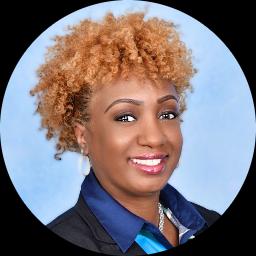
About Dwanne
Clayton emphasizes that clients know their own stories and brings a practical, solution-oriented stance to sessions. She uses strategies that aim to uncover strengths and set clear, achievable goals. Conversations are focused on real difficulties and on small steps clients can take between meetings.
Her background includes five years of direct therapy experience. She combines client-centered listening with evidence-informed methods to help people manage symptoms and improve relationships. She draws on Acceptance and Commitment Therapy to clarify values, Cognitive Behavioral Therapy to address unhelpful thoughts and behaviors, and Emotionally-Focused Therapy to strengthen emotional connection where needed.
Sessions tend to focus on concrete coping tools for sleeplessness, anger, and life transitions, alongside work on commitment, attachment, and body image when relevant. Clayton often frames challenges like abandonment, blended family stress, or alternative sexual culture concerns in straightforward terms and helps clients build practical plans.
She encourages anyone who feels stuck to take a small step toward support. Starting therapy can be an act of courage, and she aims to make the process understandable and goal driven.
Areas of expertise
Primary focus
Also works with
Additional focus areas
Therapeutic approaches
Experience
5+ years
Credentials
Florida, Georgia
Languages
English
How her approaches translate to online work
Acceptance and Commitment Therapy (ACT) helps people notice what matters to them and take steps toward those values even when feelings are hard. It often helps with anxiety, low mood, and life changes by clarifying goals and steadying action. Cognitive Behavioral Therapy (CBT) looks at patterns of thought and behavior and teaches practical skills to shift unhelpful cycles; it is commonly used for anxiety, depression, and sleep problems. Emotionally-Focused Therapy (EFT) focuses on emotions behind relationship patterns and can help with intimacy and communication concerns.Choosing the right approach is part of the work. The therapist will talk with each person about goals, preferences, and what has or hasn't worked before. Together they decide which methods to try and revisits that plan as needs change, so therapy stays relevant and useful.
If you are considering online therapy, confirm the current session options before booking since formats are not listed here. Online sessions can make it easier to fit therapy into busy days, shorten travel time, and allow quicker check-ins during a work break. They also let people use quieter surroundings, reduce time spent commuting, or avoid being on camera when that feels better. Licensed professionals and therapists can adapt these approaches to remote sessions so work on values, thought patterns, and emotions continues even when meeting virtually.
Frequently asked questions
What kinds of concerns does she help with?
She works with stress, anxiety, depression, relationship and family concerns, grief, trauma, intimacy issues, and more listed specialties like ADHD and caregiver stress.
What is her therapy style like?
The approach is practical and client-centered, focusing on listening, setting goals, and using specific tools to change thoughts and behaviors.
How much clinical experience does she have?
She has five years of direct therapy experience and broader professional experience in related roles prior to providing therapy.
What credentials and location apply to this therapist?
She holds LCSW and CSW credentials and practices in Florida.
Which languages are supported for sessions?
Sessions are offered in English.
Are international clients accepted?
International clients are not currently accepted.
How does payment work and what does it cost?
Cost varies with location and therapist availability; sessions use a subscription that can be canceled at any time.
How do I begin if I want to book a session?
Select the Start Therapy button, complete a short matching questionnaire, and schedule according to therapist availability.
Before you get in touch
Therapists listed here offer talking therapy online. A profile is not a diagnosis of you or of anyone in your life, and no therapist can promise how a relationship will turn out.
If you are in danger, or someone is hurting or threatening you, contact emergency services or a domestic-abuse helpline. The numbers are at the foot of this page.