- Anxiety and depression
- Relationship clarity
- Self esteem work
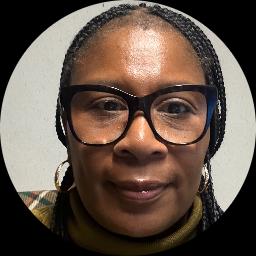
About Dorothy
She focuses on practical steps that people can use right away. That includes clearer communication, coping skills for intense feelings, and ways to rebuild trust after relational hurt. She also supports those dealing with chronic illness, caregiver strain, fertility challenges, and other long-term stressors.
Dorothy describes her work as collaborative and person-centered. Sessions aim to identify patterns, try small changes, and track what helps. She pays attention to how early attachment and family history shape current choices and relationships.
Her background includes work across varied settings, which informs a culturally responsive approach. That means listening for each person's identity, culture, and life context when shaping the plan for therapy. Clients can expect a warm, respectful space to bring hard-to-talk-about concerns.
She accepts international clients and offers services from North Carolina. To begin, clients complete a short matching questionnaire and schedule sessions according to availability. Dorothy uses a subscription model that can be canceled at any time.
Areas of expertise
Primary focus
Also works with
Additional focus areas
Experience
11+ years
Credentials
Colorado, North Carolina, Virginia
Languages
English
How evidence-based techniques translate to online work
Many therapists use evidence-based techniques that focus on clear skills and understanding relationship patterns. One commonly used approach emphasizes identifying unhelpful thought and behavior patterns and replacing them with more helpful actions; this helps with anxiety, depression, and stress by giving concrete tools to try between sessions. Another approach attends to attachment and early relationship experiences to understand current relationship reactions and communication problems; it can help people change long-standing patterns in how they relate to others.Choosing the right approach is collaborative. The therapist will listen to goals, test a few techniques, and adjust what’s working and what’s not. That process helps find practical tools that match a person's needs, preferences, and pace.
For online therapy specifics, the biography does not list exact session formats, so confirm the available options before booking. Many people find remote work helpful because it can fit into a busy day, reduce travel, and make it easier to attend regular sessions. Other practical benefits include more flexible scheduling and the ability to continue care when life situations change. Licensed professionals can adapt exercises, homework, and communication strategies to an online setting to keep therapy focused and goal oriented.
Frequently asked questions
What kinds of concerns does Dorothy focus on?
She addresses stress, anxiety, depression, relationship and family worries, self-esteem, addictions, trauma and abuse, anger, career issues, and coping with life changes.
What is her therapy style like?
Her approach is collaborative and person-centered, focusing on practical steps and clearer communication. Sessions aim to identify patterns and try small, workable changes.
How much clinical experience does she have?
She brings 11 years of experience working in a range of clinical settings, which informs her culturally responsive and affirming approach.
Which credentials and location are listed?
She holds LCSW and CSW credentials and practices from North Carolina while also maintaining licensing connections in other states.
Which languages are supported for sessions?
Sessions are offered in English, and she is available to work with international clients.
What session formats are offered?
The original biography does not list specific session formats; confirm current session options with the therapist before booking.
How does billing and cost work?
Costs vary with location and therapist availability; sessions use a subscription that can be canceled at any time.
How do I get started with Dorothy?
Select the Start Therapy button, complete a short matching questionnaire, and schedule sessions based on therapist availability.
Before you get in touch
Therapists listed here offer talking therapy online. A profile is not a diagnosis of you or of anyone in your life, and no therapist can promise how a relationship will turn out.
If you are in danger, or someone is hurting or threatening you, contact emergency services or a domestic-abuse helpline. The numbers are at the foot of this page.