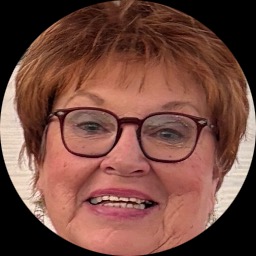
- Compassionate listener
- Goal focused
- Practical skills
About Diane
Her sessions focus on practical conversation and clear goals. She tailors the plan to each person's needs and adjusts approaches as progress unfolds. Diane emphasizes compassion and sensitivity while helping people name problems and find manageable next steps.
She has a long history helping people cope with addiction, recover from abuse, and move through major life changes. Diane also addresses issues like abandonment, communication problems, dissociation, and feelings of isolation. Her background includes work with grief, midlife concerns, aging and geriatric issues, and a range of mood disorders.
Diane uses approaches such as Client-Centered Therapy, Cognitive Behavioral Therapy, Dialectical Behavior Therapy, mindfulness, and motivational interviewing to meet different needs. She explains techniques plainly and practices skills in session that can be used between meetings.
People who choose Diane can expect steady, goal-focused conversations and a plan that fits their life. She encourages small steps and realistic changes while supporting the emotional work that comes with recovery and growth.
Areas of expertise
Primary focus
Also works with
Additional focus areas
Therapeutic approaches
Experience
20+ years
Credentials
Florida
Languages
English
How Diane’s Approaches Work Online
Diane uses Client-Centered Therapy and Cognitive Behavioral Therapy as core tools. Client-Centered Therapy focuses on listening, empathy, and building a trusting relationship so people can explore their concerns at their own pace. Cognitive Behavioral Therapy looks at the ties between thoughts, feelings, and behaviors and teaches practical skills to change unhelpful patterns.These approaches are integrated in a collaborative way. Diane will work with each person to decide which methods fit best based on their needs, goals, and comfort. Together they review how techniques are working and adjust the plan as progress is made.
Confirm the specific online session formats before booking since the biography does not list them. Many people find online sessions helpful because they can fit therapy into a busy schedule, shorten travel time, or choose a quieter time during the day. Online work also makes it easier to practice skills between meetings and to build momentum through regular check-ins. Licensed professionals can use these methods effectively in remote sessions when the format matches the person's needs.
Frequently asked questions
What concerns does Diane commonly help with?
Diane works with stress, anxiety, addictions, trauma and abuse, grief, coping with life changes, and depression. She also addresses related issues like abandonment, communication problems, and isolation.
What is her therapeutic style like?
She practices a straightforward, client-centered approach that starts with active listening without judgment. Sessions focus on clear goals, practical skills, and strategies people can use between meetings.
How much clinical experience does she have?
Diane has 20 years of experience providing counseling in inpatient and outpatient settings. That background informs her work with trauma, addiction, and mood-related concerns.
What are her credentials and where is she located?
She is a Licensed Mental Health Counselor, abbreviated LMHC, and practices in the state of Florida.
Can I work with her if I live outside the United States?
Sessions are offered in English and she does not accept international clients at this time.
What session formats are available?
Please confirm current session options before booking, as the original biography does not specify which formats are offered. Verify format choices when you schedule.
How does payment and cost work?
Cost varies with location and therapist availability, and sessions use a subscription that can be canceled at any time.
How do I begin working with Diane?
Select the Start Therapy button, complete a short matching questionnaire, and schedule according to therapist availability.
Before you get in touch
Therapists listed here offer talking therapy online. A profile is not a diagnosis of you or of anyone in your life, and no therapist can promise how a relationship will turn out.
If you are in danger, or someone is hurting or threatening you, contact emergency services or a domestic-abuse helpline. The numbers are at the foot of this page.