- Client-centered approach
- Practical skills
- Collaborative goals
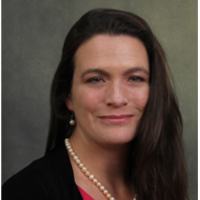
About Anne
Her style centers on a client-centered approach that aims to empower people and promote internal growth. Sessions are guided by the person's goals and pace. She combines straightforward conversation with practical tools pulled from cognitive-behavioral and dialectical behavior approaches, among others.
Anne has worked with a wide range of situations across her career, including medically compromised patients, hospice care, and clients facing reintegration challenges after military service. That variety informs a flexible way of working that adapts to each person's needs and strengths.
In therapy, she focuses on helping people make change in their lives. That may look like learning skills to manage anxiety, improving communication in relationships, addressing addictive patterns, or coping with grief and loss. Sessions can include skill practice, problem-solving, and reflection to support lasting shifts.
She emphasizes an open, nonjudgmental stance and aims to create a compassionate space where clients can be honest about struggles. People who want a collaborative therapist who balances practical techniques with empathic listening may find her approach helpful.
Areas of expertise
Primary focus
Also works with
Additional focus areas
Therapeutic approaches
Experience
14+ years
Credentials
Colorado, North Carolina, District of Columbia, Virginia, New Mexico
Languages
English
Approaches that guide online sessions
Client-centered therapy focuses on listening and building a trusting relationship. It helps people clarify their goals and feel understood while they work through change.Cognitive Behavioral Therapy (CBT) is about identifying thoughts and behaviors that keep problems going and testing new skills. CBT is often used for anxiety, depression, stress, and patterns that fuel addictive behavior.
Dialectical Behavior Therapy (DBT) teaches practical coping skills for regulating emotion and improving interpersonal effectiveness. It can be helpful for strong emotions, relationship conflicts, and impulse control.
Choosing the right approach is part of the work. The therapist will collaborate with each person to decide which methods match their needs, goals, and preferences. That decision can shift over time as progress is made.
If you are interested in online work, confirm the current session options before booking since formats are not listed here. Online sessions can make it easier to fit therapy into daily life, reduce travel time, and allow shorter check-ins when schedules are tight. Licensed professionals can tailor session pacing and techniques so therapy fits your routine and goals.
Frequently asked questions
What concerns does Anne commonly help with?
She works with stress, anxiety, addictions, relationship and intimacy issues, trauma and abuse, grief, mood disorders like depression and bipolar, and related challenges such as ADHD, parenting strain, and caregiver stress.
What is her general therapy style?
Her style is client-centered and goal-driven. She listens without judgment and combines conversation with practical techniques from cognitive-behavioral and dialectical behavior approaches.
How much clinical experience does she have?
She brings 14 years of experience in the mental health field, with work across medical, hospice, and military-related settings.
What credentials does she hold and where does she practice?
She is a Licensed Professional Counselor (LPC) and practices in North Carolina. She also has licensure history in Colorado and North Carolina noted in her background.
Which languages are supported for sessions?
Sessions are offered in English.
Can people outside the U.S. work with her?
International clients are not currently accepted.
How much do sessions cost?
Cost varies with location and therapist availability. Sessions use a subscription that can be canceled at any time.
How do I begin working with her?
Select the Start Therapy button, complete a short matching questionnaire, and then schedule according to therapist availability.
Before you get in touch
Therapists listed here offer talking therapy online. A profile is not a diagnosis of you or of anyone in your life, and no therapist can promise how a relationship will turn out.
If you are in danger, or someone is hurting or threatening you, contact emergency services or a domestic-abuse helpline. The numbers are at the foot of this page.