- Warm interactive style
- Practical coping skills
- Trauma-aware care
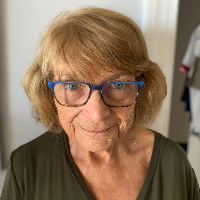
About Deborah
Her background includes work in military family centers where she developed transition programs and offered counseling to service members and their families during times of separation and change. She also completed comprehensive assessments within the foster care system and supported people affected by emotional, physical, and sexual abuse. These roles shaped her experience with trauma, grief, parenting struggles, and relationship strain.
Deborah uses a warm and interactive counseling style. She treats people with respect and avoids stigmatizing labels. Her practice blends client-centered conversation with cognitive-behavioral techniques and other practical methods to address everyday problems like anxiety, depression, and anger.
People come to her with many concerns such as stress, trauma and abuse, addictions, LGBT issues, intimacy-related problems, and caregiving strain. She also supports those facing career challenges, sleep or eating concerns, and attention or mood differences. Her approach focuses on tailoring the conversation and plan to each person’s needs.
If someone is ready to make a change, Deborah emphasizes support and empowerment in the work. She encourages straightforward goals and collaborative steps toward clearer thinking and better coping.
Areas of expertise
Primary focus
Also works with
Additional focus areas
Therapeutic approaches
Experience
34+ years
Credentials
Florida
Languages
English
How Deborah’s approaches translate to online work
Deborah combines client-centered conversation with cognitive-behavioral techniques and EMDR to address difficult memories and daily struggles. Client-centered work means the conversation centers on a person’s experience and goals, helping them feel heard while shaping the plan together. Cognitive-behavioral therapy looks at patterns of thoughts and behaviors and teaches concrete strategies to reduce anxiety, manage mood, and change unhelpful habits. EMDR involves focused processing of traumatic memories to reduce their emotional impact and can be used when trauma or abuse symptoms are present.Finding the right approach is part of the therapeutic process. Deborah will collaborate with each person to decide which methods fit their needs, goals, and comfort level. She adapts the plan as progress is made and checks in about what feels helpful during sessions.
Session formats are not listed in Deborah’s biography, so confirm current options before booking. Online therapy can make it easier to fit sessions into busy days, allow for shorter check-ins when a full hour isn’t possible, and reduce travel time. It can also let people meet with a licensed professional from different locations within the same region, depending on scheduling and licensing. Discuss format preferences during the matching and scheduling steps to find what works best.
Frequently asked questions
What concerns does Deborah commonly address?
She works with stress, anxiety, trauma and abuse, anger, depression, grief, addictions, relationship and intimacy issues, parenting and caregiver stress, and related concerns.
How would you describe her therapy style?
Her style is warm and interactive, focused on respectful conversation and practical steps. She avoids stigmatizing labels and tailors the approach to each person.
How long has she been practicing?
Deborah has 34 years of experience working in counseling roles across military family centers, foster care assessments, and community settings.
What are her credentials and where is she based?
She is a licensed mental health counselor, FL LMHC, and practices in Florida.
Which languages are supported for sessions?
Sessions are offered in English.
Are international clients accepted?
International clients are not currently accepted.
How are session costs handled?
Cost varies with location and therapist availability; sessions use a subscription that can be canceled at any time.
What are the steps to begin working together?
Select the Start Therapy button, complete a short matching questionnaire, and schedule according to therapist availability.
Before you get in touch
Therapists listed here offer talking therapy online. A profile is not a diagnosis of you or of anyone in your life, and no therapist can promise how a relationship will turn out.
If you are in danger, or someone is hurting or threatening you, contact emergency services or a domestic-abuse helpline. The numbers are at the foot of this page.