- Warm and interactive
- Practical skill building
- Individualized plans
About Cindy
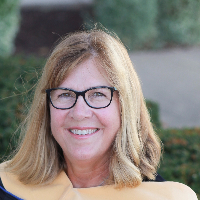
Her approach is warm and interactive. Sessions start by meeting people where they are and listening closely to what matters most. She adapts conversations and plans to each person's needs rather than using a one-size-fits-all script.
Dr. Cook draws from a mix of methods to shape the work. She uses Client-Centered Therapy to keep the person's experience central. Cognitive Behavioral Therapy (CBT) helps address unhelpful thoughts and behaviors. Emotionally-Focused Therapy (EFT) and Narrative Therapy are also part of how she helps people understand emotional patterns and rewrite their personal stories.
In practice she aims to be respectful and compassionate while encouraging practical steps forward. That can mean setting small goals, trying new ways of communicating, or practicing skills between meetings. She emphasizes concrete strategies you can use day to day.
People who choose her often want a collaborative relationship and clear tools to manage difficult moments. If someone is ready to try working toward change, Dr. Cook offers steady support and straightforward guidance.
Areas of expertise
Primary focus
Also works with
Additional focus areas
Therapeutic approaches
Experience
23+ years
Credentials
Illinois
Languages
English
How Dr. Cook’s Approaches Translate to Online Work
Client-Centered Therapy focuses on listening and responding to the person without judgment. It helps people feel heard and clarify what they want to change. Cognitive Behavioral Therapy, or CBT, looks at patterns of thoughts and behaviors and uses practical exercises to reduce symptoms like anxiety and depression. Emotionally-Focused Therapy helps identify and name emotions and improves how people express needs in relationships.Finding the right approach is part of the process. The therapist will work together with the person to decide which methods fit best for their goals and preferences. That may mean combining approaches, adjusting the pace, and checking in regularly to see what is helping.
Confirm the session options before booking to know which formats are offered currently. Online therapy can make it easier to fit sessions into a busy life, for example by removing travel time, allowing shorter check-ins when needed, or making it possible to meet during a lunch break. It can also allow use of worksheets, home practice suggestions, and conversational exercises between meetings to reinforce progress. Licensed professionals and therapists can tailor online work to focus on skills practice, emotional processing, and problem solving while keeping sessions centered on each person's goals.
Frequently asked questions
What concerns does Dr. Cook help with?
She works with stress, anxiety, depression, trauma and abuse, anger, ADHD, addictions, relationship and family issues, grief, intimacy concerns, parenting challenges, bipolar disorder, and related topics listed in her profile.
How would you describe her therapy style?
Her style is warm and interactive. She starts where a person is, listens closely, and builds a plan tailored to each person's needs.
What is her background and experience?
She is a Licensed Clinical Social Worker with 23 years of clinical experience working with a wide range of emotional and behavioral concerns.
Where is she licensed and based?
She holds an Illinois Licensed Clinical Social Worker credential, and her practice information lists Illinois as her location.
What languages are sessions offered in?
Sessions are offered in English.
Can people outside the U.S. work with her?
She is not currently accepting international clients.
How does payment and cost work?
Cost varies with location and therapist availability, and sessions use a subscription that can be canceled at any time.
How do I begin working with her?
Click the Start Therapy button, complete a short matching questionnaire, and then schedule according to therapist availability.
Before you get in touch
Therapists listed here offer talking therapy online. A profile is not a diagnosis of you or of anyone in your life, and no therapist can promise how a relationship will turn out.
If you are in danger, or someone is hurting or threatening you, contact emergency services or a domestic-abuse helpline. The numbers are at the foot of this page.