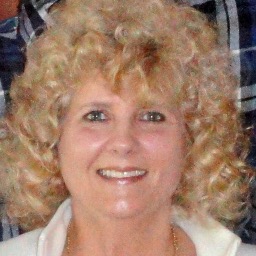
- Strengths focused
- Practical steps
- Goal oriented
About Christine
She uses clear, straightforward conversations to identify a person’s strengths and goals. Sessions often focus on small, concrete steps clients can try between meetings. Christine draws on approaches such as Client-Centered Therapy, Cognitive Behavioral Therapy, and Solution-Focused Therapy to guide those steps.
Over 14 years of practice, she has supported people dealing with mood disorders, substance use concerns, and trauma-related difficulties. She also works with issues like caregiver stress, end-of-life and hospice concerns, attachment and codependency patterns, and anger or communication problems.
Christine’s background includes extensive clinical experience in Massachusetts settings where she worked with grief, family stress, and chronic caregiving strain. Her LICSW credential indicates clinical social work training and supervised practice.
In sessions she emphasizes collaboration and practical problem solving. Clients can expect a steady, respectful presence that focuses on strengths and on making changes that fit their daily routines. The goal is steady progress toward clearer goals and better coping skills.
Areas of expertise
Primary focus
Also works with
Additional focus areas
Therapeutic approaches
Experience
14+ years
Credentials
Massachusetts
Languages
English
How Christine’s Approaches Work Online
Client-Centered Therapy focuses on the person’s own goals and strengths. The therapist listens closely and helps people name what matters most and build on existing strengths. Cognitive Behavioral Therapy, or CBT, looks at how thoughts, feelings, and behaviors interact and teaches practical skills to change unhelpful patterns. Solution-Focused Therapy concentrates on small, achievable steps and quick wins to move toward what the client wants.Choosing the right approach is part of the work together. The therapist will talk with the client about goals, preferences, and what has helped or not helped in the past. Together they decide whether to emphasize listening and reflection, skills training, or short-term solution building, and they adjust the plan as needed.
If you are considering online options, confirm the specific session formats available before booking since the biography does not list them. Many people find remote sessions easier to fit into their schedules, allow for shorter check-ins when needed, or make it simpler to continue therapy during life changes. Licensed professionals can use these approaches effectively in remote care while helping clients put practical steps into everyday routines.
Frequently asked questions
What kinds of concerns does Christine address?
She works with stress, anxiety, depression, addictions, grief, trauma and relationship and intimacy issues, among other topics listed in her specialties.
What is her general therapy style?
Her approach is strengths-focused and humanistic, using collaborative conversations to set goals and try practical steps that fit everyday life.
How much clinical experience does she have?
She has 14 years of clinical experience working in Massachusetts with a range of concerns including mood disorders, substance use, and caregiver and end-of-life issues.
What credential does she hold and where is she located?
She holds an MA and is a Licensed Independent Clinical Social Worker (LICSW) practicing in Massachusetts.
Which languages are supported and are international clients accepted?
Sessions are offered in English and she is not currently accepting international clients.
What session formats are available?
The original biography does not specify session formats; please confirm current session options with the service before booking.
How are sessions paid for and what does cost look like?
Cost varies with location and therapist availability; sessions use a subscription that can be canceled at any time.
How do I begin working with her?
Use the Start Therapy button, complete a short matching questionnaire, and schedule according to therapist availability.
Before you get in touch
Therapists listed here offer talking therapy online. A profile is not a diagnosis of you or of anyone in your life, and no therapist can promise how a relationship will turn out.
If you are in danger, or someone is hurting or threatening you, contact emergency services or a domestic-abuse helpline. The numbers are at the foot of this page.