- Trauma informed
- Creative methods
- LGBT affirming
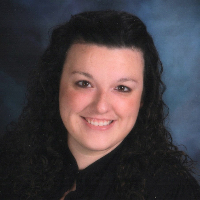
About Chelsea
Chelsea earned a master’s degree in clinical counseling after training and working as a board-certified music therapist. She has eight years of clinical experience and holds the LCMHC credential, practicing in Utah and with international clients in English. Her background in music therapy informs a flexible, arts-friendly style in sessions.
Her work blends several approaches to match what a person needs. She uses Acceptance and Commitment Therapy to help clients notice unhelpful thoughts and choose meaningful actions. Attachment-based ideas guide work on intimacy and family patterns. She also draws on Dialectical Behavior Therapy skills, Client-Centered principles, and EMDR when appropriate.
Sessions may include expressive tools like music, art, or writing when they support progress. Chelsea often adapts techniques to the person’s interests, so therapy feels relevant and doable. She pays attention to safety and pacing when working with trauma and complex stress.
People commonly seek her help for grief, parenting strain, identity and LGBT concerns, abandonment and attachment issues, ADHD, bipolar and mood challenges, and life transitions. If you want a therapist who mixes practical skills with creative options, Chelsea aims to meet you where you are and help you move forward.
Areas of expertise
Primary focus
Also works with
Additional focus areas
Therapeutic approaches
Experience
8+ years
Credentials
Utah
Languages
English
Therapeutic approaches applied to online care
Acceptance and Commitment Therapy (ACT) helps people notice difficult thoughts and feelings without getting ruled by them, then choose actions that match their values. This method can be useful for anxiety, depression, and life changes. Attachment-Based Therapy focuses on patterns that form in close relationships and helps people build healthier connection habits, which is helpful for intimacy issues and family of origin concerns. Dialectical Behavior Therapy (DBT) teaches concrete skills for emotional regulation, distress tolerance, and interpersonal effectiveness, often benefiting people with strong mood swings, anger, or self-destructive patterns.Finding the right approach is part of the work. Chelsea aims to figure out the best fit together, matching methods to a person’s goals, needs, and preferences. That collaborative process may mean trying a skill-based tool one week and a creative or attachment-focused exercise the next.
The biography does not list specific session formats, so confirm current online options before booking. Online sessions can make it easier to fit therapy into a busy life, allow shorter check-ins when needed, and remove travel time. Many people find virtual work helps them practice skills in their everyday routines and keeps momentum between meetings. Chelsea adapts activities like EMDR-compatible techniques, art, music, and writing to remote sessions when appropriate so therapy stays practical and relatable.
Frequently asked questions
What concerns does Chelsea commonly address?
Chelsea works with stress, anxiety, trauma and abuse, depression, addictions, relationship and intimacy issues, grief, parenting concerns, ADHD, bipolar disorder, and many other life struggles.
What is her general therapy style?
She uses a multimodal, creative approach that adapts to each person. Sessions can include skills work, expressive tools like music or writing, and practical exercises tailored to goals.
How much clinical experience does she have?
Chelsea has eight years of experience working in counseling and related fields, drawing on her earlier work as a board-certified music therapist and her clinical counseling training.
What credentials and location are listed?
She holds the LCMHC credential and practices in Utah. The profile lists her credential as UT LCMHC.
Which languages and international options are supported?
Sessions are offered in English, and she accepts international clients according to the profile information.
What session formats are available?
The original biography does not list specific session formats. Please confirm current session options with the service before booking.
How is cost handled for sessions?
Cost varies with location and therapist availability, and sessions use a subscription that can be canceled at any time.
What are the first steps to begin therapy?
Select the Start Therapy button, complete a short matching questionnaire, and then schedule sessions according to the therapist’s availability.
Before you get in touch
Therapists listed here offer talking therapy online. A profile is not a diagnosis of you or of anyone in your life, and no therapist can promise how a relationship will turn out.
If you are in danger, or someone is hurting or threatening you, contact emergency services or a domestic-abuse helpline. The numbers are at the foot of this page.