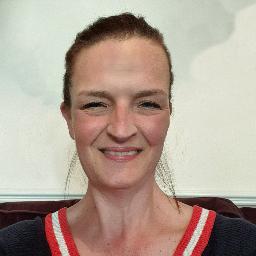
- Client-centred
- Goal focused
- UK based
About Charlotte
She holds a Dip.Couns and is a member of the British Association for Counselling and Psychotherapy, BACP. Charlotte uses a person-centred way of working that keeps each session focused on what the client wants to address. Sessions are paced to suit the individual and shaped by the issues they bring.
Charlotte draws on existential ideas to help people make sense of big life questions and transitions. That approach is practical and grounded, inviting clients to consider values and choices when they feel stuck. She also uses solution-focused techniques to set clear, short-term goals and track progress between sessions.
With three years of professional experience, Charlotte works alongside people dealing with a wide range of concerns. These include intimacy-related issues, attachment and abandonment worries, caring responsibilities, body image, chronic illness and the effects of traumatic events. She aims to support clients in finding everyday coping strategies.
Charlotte encourages a collaborative relationship where the client’s priorities lead the work. New clients are invited to take things at their own pace while exploring realistic steps for change and practical ways to manage difficult feelings.
Areas of expertise
Primary focus
Also works with
Additional focus areas
Therapeutic approaches
Experience
3+ years
Credentials
BACP · United Kingdom
Languages
English
How her approaches work online and in practice
Charlotte uses client-centred work to prioritise what matters most to each person, offering space to be heard and to shape the conversations around their needs. This approach suits people who want a listening, non-judgemental therapeutic relationship and help to clarify personal goals.She also draws on solution-focused therapy to break larger problems into short, manageable steps and to track small wins between sessions. That method can help with stress, career decisions and everyday coping. Existential ideas are used to look at life choices and values when someone is wrestling with meaning or major transitions.
Finding the right approach is part of the therapy process. Charlotte works collaboratively to decide which methods fit a person’s goals and preferences, and she adjusts the balance as work progresses. Clients help set priorities and the pace of change.
If you are considering online work, please confirm the session formats available before booking. Online sessions can make it easier to fit therapy into a busy life, reduce travel time and allow shorter check-ins when needed. They also let people continue therapy through life changes without pausing care.
Frequently asked questions
What concerns does Charlotte commonly help with?
She supports people with stress, anxiety, depression, self-esteem and career issues, plus grief, trauma and relationship or intimacy-related difficulties.
What is her typical approach in sessions?
Sessions are client-centred and led by the person’s agenda, with existential ideas to address life meaning and solution-focused techniques to set practical goals.
How much experience does she have?
Charlotte has three years of experience working as a counsellor with a range of everyday and complex concerns.
What credentials and region should I know about?
She holds a Dip.Couns and is a member of the British Association for Counselling and Psychotherapy (BACP), and practises in the United Kingdom.
Which languages are sessions offered in?
Sessions are offered in English.
Can people from other countries work with her?
She is not taking international clients at this time.
How are sessions paid for?
Cost varies with location and therapist availability; sessions use a subscription that can be cancelled at any time.
What do I do to begin therapy?
Use the Start Therapy button, complete a short matching questionnaire, and then schedule sessions according to the therapist’s availability.
Before you get in touch
Therapists listed here offer talking therapy online. A profile is not a diagnosis of you or of anyone in your life, and no therapist can promise how a relationship will turn out.
If you are in danger, or someone is hurting or threatening you, contact emergency services or a domestic-abuse helpline. The numbers are at the foot of this page.