- Supportive approach
- Goal oriented
- Relationship focus
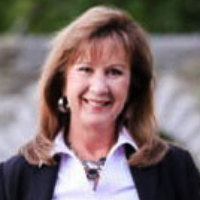
About Barbara
She helps people set clear goals and take concrete steps toward them. Her style is supportive and non-judgmental. Sessions focus on moving from problem-focused thinking to practical solutions that fit each person's life.
Her work covers many relationship and life challenges including parenting, couples issues, communication problems, divorce and separation, blended family dynamics, and family of origin concerns. She also supports people dealing with trauma and abuse, domestic violence, addictions, eating concerns, and issues around gender and sexual orientation.
Dr. Brady uses several common therapeutic approaches to match the situation and the person. She draws on client-centered methods, cognitive behavioral strategies, dialectical behavior ideas, emotionally-focused techniques, and relationship tools such as the Gottman Method. She tailors methods to each person rather than using one fixed approach.
If someone is thinking about starting therapy she asks them about goals, barriers, and what has or has not helped in the past. The next steps are practical - set priorities, try manageable actions, and check what is or isn’t working. Her aim is to help people build stronger relationships and more satisfying lives.
Areas of expertise
Primary focus
Also works with
Additional focus areas
Therapeutic approaches
Experience
25+ years
Credentials
West Virginia
Languages
English
How her approaches translate to online work
Client-Centered Therapy focuses on listening and helping people find their own solutions; it supports self-directed goals and works well for many life and relationship concerns. Cognitive Behavioral Therapy (CBT) breaks problems into thoughts, feelings, and actions and offers simple skills to change unhelpful patterns, which can be useful for anxiety, depression, and stress. Emotionally-Focused Therapy (EFT) looks at how emotions shape relationships and helps people respond to each other more clearly and safely.Finding the right approach is part of the work together. The therapist will talk with each person about goals, preferences, and what has helped before. Then she will suggest methods and adjust them as progress is made, so people get a plan that fits their needs.
Session formats are not listed in the biography, so confirm the current options before scheduling. Many people appreciate online therapy because it can fit into busy days, reduce travel time, and make follow-up and shorter check-ins easier to arrange. Licensed professionals can adapt tools and worksheets for remote sessions, and the focus remains practical steps, communication skills, and coping strategies that can be used between meetings.
Frequently asked questions
What kinds of concerns does she address?
She works with relationship issues, family problems, grief, anger, career stress, anxiety, addictions, trauma and abuse, eating concerns, parenting, self-esteem, and depression.
What is her therapy style like?
Her style is supportive and non-judgmental, helping people move from problem-focused thinking to solution-focused steps they can try between sessions.
How much experience does she have?
She has 25 years of counseling experience and continues to take courses and workshops to keep her skills current.
What credentials and region are associated with this clinician?
She is a Licensed Professional Counselor (LPC) practicing in West Virginia.
Are sessions offered in other languages or internationally?
Sessions are offered in English, and she is not taking international clients.
What session formats are available?
Session formats are not specified here; please confirm the current session options before booking so you know what is offered.
How does payment and cost work?
Cost varies with location and therapist availability, and sessions use a subscription that can be canceled at any time.
How do I begin working with her?
Click the Start Therapy button, complete the short matching questionnaire, and schedule according to therapist availability.
Before you get in touch
Therapists listed here offer talking therapy online. A profile is not a diagnosis of you or of anyone in your life, and no therapist can promise how a relationship will turn out.
If you are in danger, or someone is hurting or threatening you, contact emergency services or a domestic-abuse helpline. The numbers are at the foot of this page.