- Practical coping skills
- Collaborative style
- Attachment aware
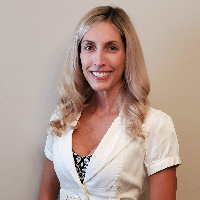
About Ashleigh
She uses practical, down-to-earth methods in sessions. Ashleigh draws from cognitive behavioral ideas, client-centered listening, and attachment-informed thinking. Sessions aim to help people manage symptoms, improve communication, and set steps toward goals rather than rely on one fixed method.
Her background includes work in private practice, crisis centers, hospitals, and schools. That range shaped how she responds to sudden stress and longer-term struggles. She often helps people who are juggling family demands, caregiving, or major life changes.
Ashleigh’s style is collaborative and straightforward. She listens first, then helps people choose skills that fit their life. Mindfulness and techniques from dialectical behavior therapy may be introduced when useful to manage intense emotions or relationship patterns.
She also supports people dealing with identity and community questions, including LGBT concerns, and assists with issues like body image, parenting strain, and addiction recovery. To begin, people use the site’s Start Therapy button, complete a short matching questionnaire, and schedule based on therapist availability.
Areas of expertise
Primary focus
Also works with
Additional focus areas
Therapeutic approaches
Experience
19+ years
Credentials
Ohio, Idaho, Nebraska, Oklahoma
Languages
English
How her approaches fit with online therapy
Attachment-Based Therapy focuses on how past and current relationships shape feelings and reactions. It helps people notice patterns in close relationships and try new ways of relating that reduce conflict and anxiety. Cognitive Behavioral Therapy, or CBT, breaks problems into thoughts, feelings, and actions and uses practical steps to change unhelpful thinking and behavior. It is often used for anxiety, depression, and stress management. Client-Centered Therapy centers on listening and reflecting so people feel heard and can choose their own goals; this approach supports self-direction and healing.Finding the right approach is part of the work. The therapist will talk with each person about goals, preferences, and what feels most useful. Together they pick techniques and adjust them over time so the plan makes sense for day-to-day life.
Session logistics should be confirmed before booking because the biography does not list specific formats. Online therapy can make it easier to fit sessions into busy schedules, reduce travel time, and allow shorter check-ins when needed. It can also help people continue care across moves or when they live far from local providers. Licensed professionals can adapt these approaches for remote work, using exercises, breath and grounding practices, and communication skills training to support emotional regulation and relationship change.
Frequently asked questions
What concerns does Ashleigh address?
She helps with stress, anxiety, depression, relationship and intimacy issues, grief, addictions, parenting strain, sleep and eating concerns, and many trauma-related problems.
How does she approach therapy?
Her approach blends client-centered listening with cognitive behavioral techniques and attachment-informed ideas. She partners with people to try practical skills that fit their daily life.
What is her clinical background?
She has 19 years of experience working in private practice, crisis centers, hospitals, and schools, supporting adults, adolescents, couples, and families.
What credentials and location apply?
She holds LCPC and LIMHP credentials and practices from Ohio while also working with clients in other states and some non-US clients.
Which languages are supported?
Sessions are offered in English and she accepts some international clients.
What session formats are available?
Session formats are not specified in this biography; please confirm the current session options before booking.
How is cost handled?
Cost varies with location and therapist availability, and sessions use a subscription that can be canceled at any time.
How do I begin working together?
Use the Start Therapy button, complete the short matching questionnaire, and then schedule sessions according to therapist availability.
Before you get in touch
Therapists listed here offer talking therapy online. A profile is not a diagnosis of you or of anyone in your life, and no therapist can promise how a relationship will turn out.
If you are in danger, or someone is hurting or threatening you, contact emergency services or a domestic-abuse helpline. The numbers are at the foot of this page.